In March 2002 the DiGiorgio Family became the proud owners of the second oldest winery in Coonawarra. This winery had been known since the early 1950’s as ‘Rouge Homme’ and holds enormous importance within the ‘winescape’ of Australia.
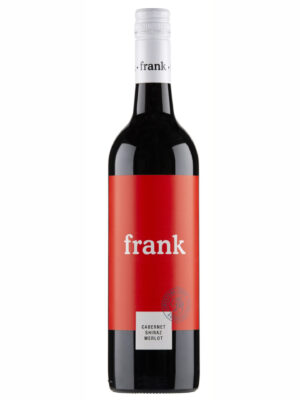
Being frank, this wine is made to be enjoyed with the best of food, family and friends. The finest red varieties of the estate have been blended to create a complex and alluring wine, packed with dark fruit flavours and balanced by subtle oak.
Frankly, this red is superb!
In March 2002 the DiGiorgio Family became the proud owners of the second oldest winery in Coonawarra. This winery had been known since the early 1950’s as ‘Rouge Homme’ and holds enormous importance within the ‘winescape’ of Australia.
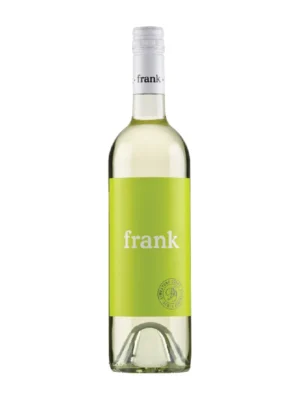
Being frank, this wine is made to be enjoyed with the best of food, family and friends. The finest white varieties of the estate have been blended to create a fresh and aromatic wine, with ripe tropical flavours and a crisp, dry finish.
Frankly, this white is fabulous!
Disznókö is one of the most famous producers of sweet Tokaji in the world.
The estate owns only one large vineyard of about 250 acres, classified in 1772 and planted only with local indigenous grape, in particular Furmint. These wines are considered among the best sweet wines in the world, classified in puttonyos according to their residual sugar levels that express at their best the Hungarian tradition and terroir.
1413 is the year the Disznókő vineyard was first mentioned in a land register. So an apt name for this modern interpretation of Édes (sweet) Szamorodni, a traditional Tokaji wine. The name comes from the Polish meaning “as it comes”: the bunches come as they are from vineyard to cellar. The grapes are not selected one by one (harvesting method for making Aszú wines), but picked in whole bunches with many shrivelled and botrytised grapes.
Disznókö is one of the most famous producers of sweet Tokaji in the world.
The estate owns only one large vineyard of about 250 acres, classified in 1772 and planted only with local indigenous grape, in particular Furmint. These wines are considered among the best sweet wines in the world, classified in puttonyos according to their residual sugar levels that express at their best the Hungarian tradition and terroir.
Tokaji Késői Szüret (Late Harvest) is a balanced and accessible wine with a superb aromatic complexity perfectly suited for one‘s first discovery of the wines of Disznókő and the universe of the great sweet wines of Tokaj.
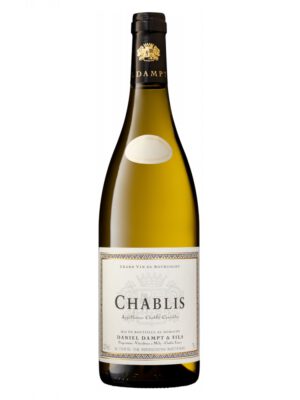
The history of the Domaine Daniel Dampt et Fils in Chablis, northern Burgundy , dates back more than 150 years. With 10 hectares of Chablis Premier Cru vineyards, 12 hectares of Petit Chablis vineyards and some wonderful bottles from the Chablis Grand Cru appellation, the family domaine manages its vineyards sustainably to protect the environment and safeguard the natural characteristics of the Chardonnay grape.
With accents of green apple, the refreshing and lively character of this elegant Chablis is a joy. It will give of its best after two to three years and is a fine pairing for ham in Chablis sauce.
For more info, visit Domaine Daniel Dampt & Filswebsite.
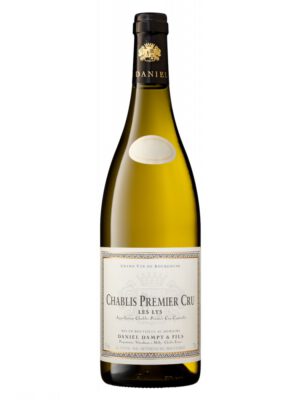
The history of the Domaine Daniel Dampt et Fils in Chablis, northern Burgundy , dates back more than 150 years. With 10 hectares of Chablis Premier Cru vineyards, 12 hectares of Petit Chablis vineyards and some wonderful bottles from the Chablis Grand Cru appellation, the family domaine manages its vineyards sustainably to protect the environment and safeguard the natural characteristics of the Chardonnay grape.
The Premier Cru Les Lys offers freshness and acidity on a mineral structure as desired. All the elegance of Chardonnay from fifty-year-old vines on this exceptional terroir will delight you with pan-fried langoustines.
For more info, visit Domaine Daniel Dampt & Filswebsite.
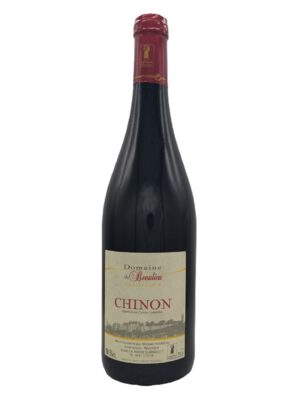
The Domaine de Beaulieu is one of the estates to follow in Chinon, located in the Touraine region of the Loire Valley in France.
Situated just near the house of François Rabelais (the greatest French author of the 16th century), the estate is run by Michaël Manceau, the 3rd generation of the winegrowers. The Domaine de Beaulieu covers 13,5 ha. Michaël uses natural methods to control yields to enhance the quality of his wines. The winegrower is passionate about his vines, his estate and the dynamism of continuous improvement.
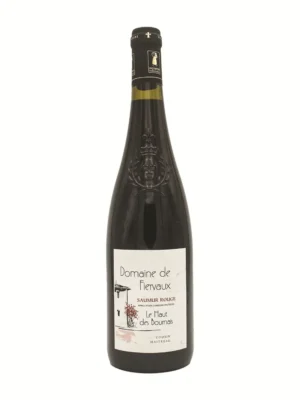
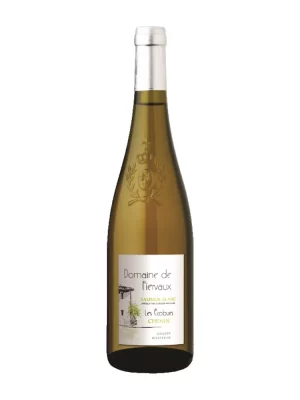
The Domaine de Fiervaux was born from a family farm established in Saumurois with 4ha of vines, and taken over in 1890 by Henri Maitreau. 40 years later, his son Jules succeeded him, constantly improving the vineyard. In 1960, Georges Cousin and his wife Juliette Maitreau, daughter of Jules, took over the reins and developed the estate, hence the origin of the name Cousin-Maitreau, developing the vineyard from 8 ha to 28 ha with the planting of several grape varieties in order to create a wide range.
The Domaine de Fiervaux was born from a family farm established in Saumurois with 4ha of vines, and taken over in 1890 by Henri Maitreau. 40 years later, his son Jules succeeded him, constantly improving the vineyard. In 1960, Georges Cousin and his wife Juliette Maitreau, daughter of Jules, took over the reins and developed the estate, hence the origin of the name Cousin-Maitreau, developing the vineyard from 8 ha to 28 ha with the planting of several grape varieties in order to create a wide range.
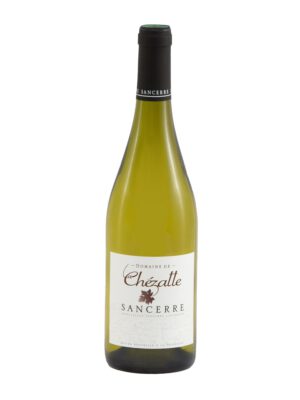
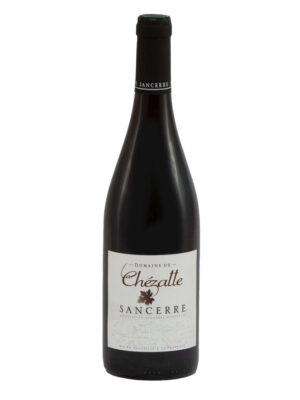
Domaine de la Chézatte is a family owned estate in the most northerly village in Sancerre. Its sustainably farmed vineyards are south-facing with soils of flint and limestone so it’s an ideal spot for growing Sauvignon Blanc.
The white Sancerre represents today 85% of the whole production; 10% of Sancerre red and 5% of Sancerre Rosé. The Domaine de la Chézatte has different terroirs with various soil tyles: silex (60%), White Soils ‘Terres Blanches’ (23%), Caillotte (17%).
For more info, visit Domaine de la Chézatte website.
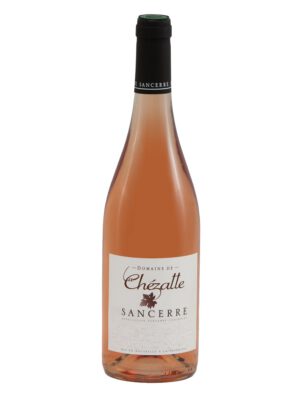
Domaine de la Chézatte is a family owned estate in the most northerly village in Sancerre. Its sustainably farmed vineyards are south-facing with soils of flint and limestone so it’s an ideal spot for growing Sauvignon Blanc.
The white Sancerre represents today 85% of the whole production; 10% of Sancerre red and 5% of Sancerre Rosé. The Domaine de la Chézatte has different terroirs with various soil tyles: silex (60%), White Soils ‘Terres Blanches’ (23%), Caillotte (17%).
For more info, visit Domaine de la Chézatte website.
Domaine de la Chézatte is a family owned estate in the most northerly village in Sancerre. Its sustainably farmed vineyards are south-facing with soils of flint and limestone so it’s an ideal spot for growing Sauvignon Blanc.
The white Sancerre represents today 85% of the whole production; 10% of Sancerre red and 5% of Sancerre Rosé. The Domaine de la Chézatte has different terroirs with various soil tyles: silex (60%), White Soils ‘Terres Blanches’ (23%), Caillotte (17%).
For more info, visit Domaine de la Chézatte website.
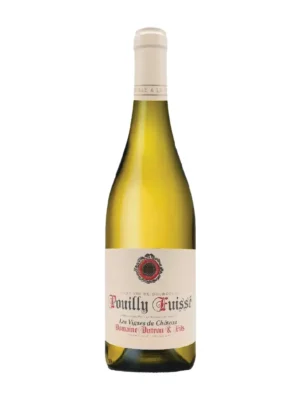
Domaine Dutron has been crafting wine in the picturesque town of Fuissé since 1835, where the family estate spans 16 hectares of Chardonnay vineyards. Passed down through generations, Maxime Dutron now oversees the vineyards, continuing the family’s legacy while embracing sustainable farming.
Pouilly-Fuissé ‘Les Vignes du Château’ is a blend of grapes from historic 13th-century plots. The vines, with an average age of 35 years, are planted on clay-limestone Jurassic soils, and bring richness to the wine.
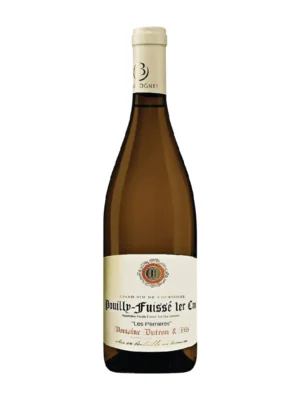
Domaine Dutron has been crafting wine in the picturesque town of Fuissé since 1835, where the family estate spans 16 hectares of Chardonnay vineyards. Passed down through generations, Maxime Dutron now oversees the vineyards, continuing the family’s legacy while embracing sustainable farming.
Pouilly-Fuissé 1er Cru ‘Les Perrières’ is made from individually selected vineyard plots. In 2013, Denis and Maxime Dutron decided to honour one of the best climats in Fuissé – Les Perrières – by creating a cuvée in its name, full of opulence and fruit.
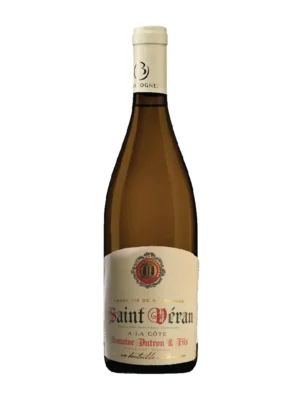
Domaine Dutron has been crafting wine in the picturesque town of Fuissé since 1835, where the family estate spans 16 hectares of Chardonnay vineyards. Passed down through generations, Maxime Dutron now oversees the vineyards, continuing the family’s legacy while embracing sustainable farming.
The vines used for Saint-Véran ‘A la Côte’ are among some of the highest-lying in the appellation. At their highest point of 500 metres, they benefit from rich clay-limestone soils and an ideal south-facing exposure, creating a naturally full-bodied, delicious-drinking wine.


 Download Tasting Note