
Elegance. Structure. Balance. These are the elements of the extraordinary. You find them in the soaring work of architecture, the perfect line of poetry, the ballerina’s graceful leap, and in the exquisitely crafted Napa Valley wines of First Press Wine Cellars.
First Press Wine Cellars focuses on the two varietals which best exemplify California’s premier winegrowing region, a richly textured Cabernet Sauvignon and a brightly refreshing Chardonnay.
Elegance. Structure. Balance. These are the elements of the extraordinary. You find them in the soaring work of architecture, the perfect line of poetry, the ballerina’s graceful leap, and in the exquisitely crafted Napa Valley wines of First Press Wine Cellars.
First Press Wine Cellars focuses on the two varietals which best exemplify California’s premier winegrowing region, a richly textured Cabernet Sauvignon and a brightly refreshing Chardonnay.
Like all the greatest wines of the appellation, Château Pédesclaux has the complexity that reflects the terroir it springs from. On this mosaic of soils, the clays convey power while the gravels express pure elegance. Pédesclaux embodies the depth that is the quintessence of Pauillac, balanced by a unique sensuality with each vintage, the painstaking work on these excellent plots pays off, while the revolutionary equipment in the winery enables the wine to develop its own unique personality.
Ethereal, fresh, appealing to both the nose and the palate, Pédesclaux’s second wine is a flower that unfurls as you approach. Unusually for Pauillac, the Fleur de Pedesclaux is predominantly made from Merlot along with a dash of Cabernet Sauvignon, Cabernet Franc and Petit Verdot depending on the vintage.
Exhibiting a more high-spirited elegance yet nonetheless showing remarkable length, Fleur de Pédesclaux 2016 is a delight. In this more floral expression, the marvellous complexity of our terroir is once again evident, but in a mouth-watering style that is instantly festive.
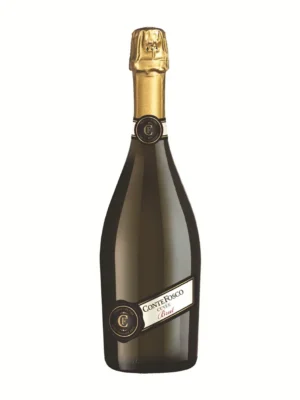
For over thirty years, Fratelli Cosmo have been producing Conegliano Valdobbiadene Prosecco Superiore, pioneering the revival of a method that was widespread in the Conegliano Valdobbiadene area until 1930 and subsequently forgotten.
Today, they can proudly take you on a journey through various methods of vinification and sparkling wine production using Glera grapes, to discover together that Prosecco can transcend traditional interpretations.
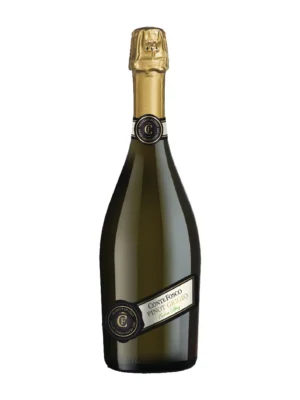
This graceful, fragrant Prosecco is the fruit of a selection of grapes from the finest vineyards in the zone of Cordignano, Sarmede, and Cappella Maggiore in the hills of Treviso.
For over thirty years, Fratelli Cosmo have been producing Conegliano Valdobbiadene Prosecco Superiore, pioneering the revival of a method that was widespread in the Conegliano Valdobbiadene area until 1930 and subsequently forgotten.
Today, they can proudly take you on a journey through various methods of vinification and sparkling wine production using Glera grapes, to discover together that Prosecco can transcend traditional interpretations.
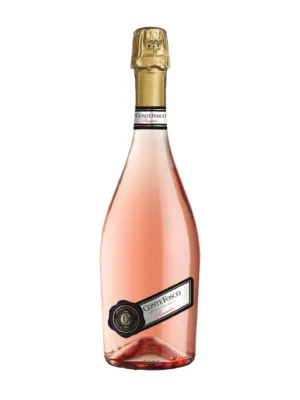
Tribute to the Cosmo brothers, this fragrant, delicate Prosecco DOC Rosé is a quality selection of the finest Glera and Pinot Noir grapes from the province of Treviso.
Château Nénin is located in the village of Pomerol, one of the most prestigious areas of Bordeaux. The Domaine was bought by Jean-Hubert Delon in 1997 from his cousins, the Despujols, owners of the estate since 1847. Jean-Hubert had the intention of continuing the centuries-old tradition of the Château, and precisely for this reason, since immediately, extensive renovation and modernization works, including technical ones, were carried out. Under his direction, the land was in fact drained, the vineyards renewed and the cellars modernised, to improve the vinification and aging processes.
Fugue de Nénin was created and first sold in 1997. Fugue comes from sandy-clay soils found in the eastern part of the Château’s vineyards, as well as from the young vines. This second wine is a typical example of the charm of Pomerol. The wines are smooth and silky and can be enjoyed earlier than those of the Grand Vin.
Fugue de Nénin 2013 comes from sandy-clay soils representing the eastern half of the estate’s vineyard and it is made from mainly Merlot, with a floral component by Cabernet Franc.
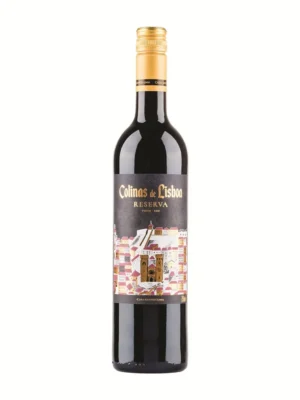
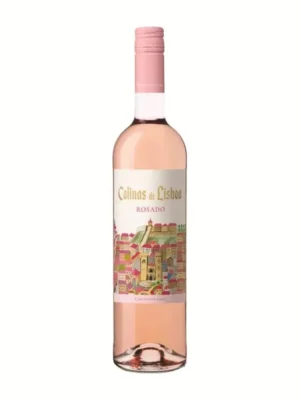
Sociedade Agrícola Quinta do Conde is a family owned business located in Alenquer, north of Lisbon. The Santos Lima family, to whom these vineyards belong for many generations has been dedicated since the turn of the 19th century, to wine production and export business. In 2005, the company started bottling and selling its first wines. Since then, the portfolio has increased, having currently more than 25 different brands.
This wine is produced from selected grapes of regional varieties, through traditional fermentation techniques having aged in oak. The result is a smooth and fruity wine, well balanced and with a nice aftertaste.
With a long lasting tradition which spans many generations, the Garcés Silva family has developed a deep bond with the land, imprinting a unique quality-seal to each of its different agricultural activities.
With its noble and traditional style, Amayna wines are synonymous with elegance, complexity and concentrated flavors.
Whether consumed today or after years in the cellar, Amayna wines reflect the maximum expression of their terroir and the identity of the Garcés Silva family in the Leyda Valley.
With a long lasting tradition which spans many generations, the Garcés Silva family has developed a deep bond with the land, imprinting a unique quality-seal to each of its different agricultural activities.
With its noble and traditional style, Amayna wines are synonymous with elegance, complexity and concentrated flavors.
Whether consumed today or after years in the cellar, Amayna wines reflect the maximum expression of their terroir and the identity of the Garcés Silva family in the Leyda Valley.
With a long lasting tradition which spans many generations, the Garcés Silva family has developed a deep bond with the land, imprinting a unique quality-seal to each of its different agricultural activities.
With its noble and traditional style, Amayna wines are synonymous with elegance, complexity and concentrated flavors.
Whether consumed today or after years in the cellar, Amayna wines reflect the maximum expression of their terroir and the identity of the Garcés Silva family in the Leyda Valley.
The poor soils and gentle ocean breezes create tremendous aromatic potential and the great intensity reflected in this wine’s floral aromas and fresh, exotic fruit. A full, balanced Sauvignon Blanc with personality and exquisite elegance.
With a long lasting tradition which spans many generations, the Garcés Silva family has developed a deep bond with the land, imprinting a unique quality-seal to each of its different agricultural activities.
With its noble and traditional style, Amayna wines are synonymous with elegance, complexity and concentrated flavors.
Whether consumed today or after years in the cellar, Amayna wines reflect the maximum expression of their terroir and the identity of the Garcés Silva family in the Leyda Valley.
Amayna Syrah 2021 is noted for its “Cote Rôtie” style, combining power with elegance and featuring a distinct peppery, floral aromatic profile.
Gnarly Head wines began with a vision and a vine. In 2004, on a mission to make a serious Zinfandel, winemakers journeyed to Lodi in central California in search of the famed old vine Zinfandel vineyards. Grown in the head-trained, spur-pruned method for over a century, these vigorous gnarled vines produced more ripened red fruit than they had ever seen. They took it as a challenge to create the biggest, boldest Zinfandel they had ever made. The result was authentic, structured wines with a hint of something unexpected. Something Gnarly.
Channeling Gnarly Head’s signature fruit-driven style with concentrated black fruit flavors, Authentic Black is a dark, inky Petite Sirah-based blend designed to stand up to the season’s heartiest dishes. Fruit for this new, limited time only offering was sourced from Lodi, California with choice lots aged on oak for 12 months to craft a smooth, rich blend.
This Shiraz wine introduces a daring departure for Gnarly Head Wines, venturing beyond California to the old and gnarly vineyards of South Australia.
Inspired by the gnarled vines resembling wild bushes with twisted trunks and unruly branches, this Gnarly Head South Australia Shiraz embodies the essence of gnarly. Embark on a journey of boldness and adventure as we push boundaries and embrace the gnarly spirit.
Graf (Count) Johann IV von Katzenelenbogen was one of the founders of the success of the Riesling grape variety. In 1435, at his behest, vines of a then new, white variety called Riesling were planted.
The grapes for its production are grown on shale and alluvial soils located on the banks of the Rhine, under the influence of a mild, almost Mediterranean climate. The wine-making traditions of the region were laid in the monastic farms in the early Middle Ages.
The wine is named in honor of Count Rheingau – Johann IV Katzelenebogen, who in 1435 ordered to plant 22 vines of a new grape variety in one of his vineyards. The name of the new variety was Riesling. So Johann IV inscribed his name in the history of the greatest white grapes, and his possessions in the Rheingau are still called the “Riesling’s cradle”.
Graf (Count) Johann IV von Katzenelenbogen was one of the founders of the success of the Riesling grape variety. In 1435, at his behest, vines of a then new, white variety called Riesling were planted.
The grapes for its production are grown on shale and alluvial soils located on the banks of the Rhine, under the influence of a mild, almost Mediterranean climate. The wine-making traditions of the region were laid in the monastic farms in the early Middle Ages.
The wine is named in honor of Count Rheingau-Johann IV Katzelenebogen, who in 1435 ordered to plant 22 vines of a new grape variety in one of his vineyards. The name of the new variety was Riesling. So Johann IV inscribed his name in the history of the greatest white grapes, and his possessions in the Rheingau are still called the “Riesling’s cradle”.