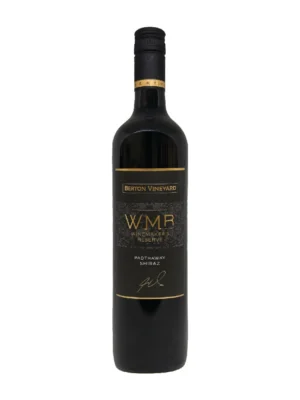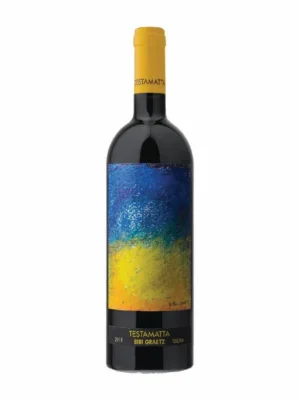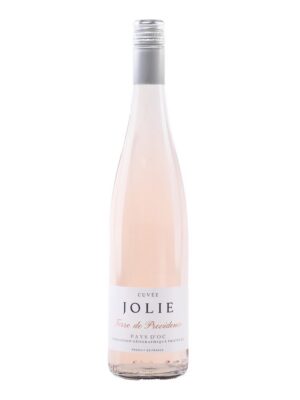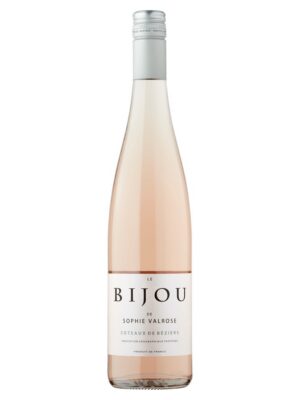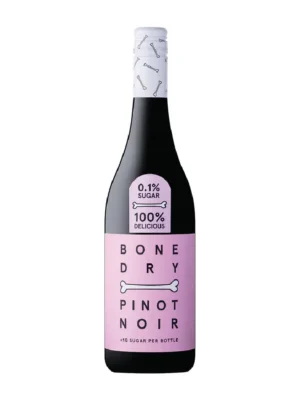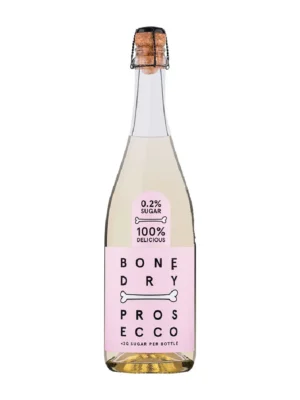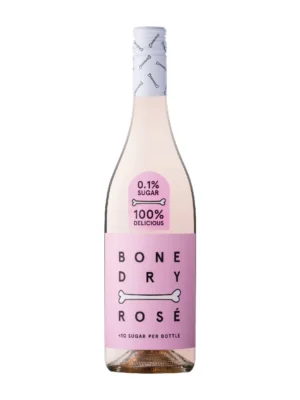

In the heart of South Australia’s wine country, from the Limestone Coast, Daimon Downey set out to do things differently. At Dem Bones boutique winery, they’ve revolutionised the way wine is enjoyed, focusing on reducing sugar and carbs without compromising on flavour. Completed by a modern, minimalist design that captures the essence of Bone Dry — bold, fresh, and effortlessly stylish.
In the heart of Langhe, Italy, where technology and rural tradition coexist, lies the Bosio Family Estates Winery. The winery, founded in 1967, is an official Unesco Human Heritage and prides themselves in keeping authentic winemaking traditions and excellences. Bosio’s wines are vinified in small parcels to produce vintages with great varietal character and are some of the best value from the Piedmont region.
The vineyards of Bosio ‘Boschi Dei Signori’ Barbaresco are located in the villages of Neive and Barbaresco on clay-limestone soils, giving a classic Barbaresco with real power made in a modern, accessible style.
In the heart of Langhe, Italy, where technology and rural tradition coexist, lies the Bosio Family Estates Winery. The winery, founded in 1967, is an official Unesco Human Heritage and prides themselves in keeping authentic winemaking traditions and excellences. Bosio’s wines are vinified in small parcels to produce vintages with great varietal character and are some of the best value from the Piedmont region.
The vineyards of Bosio ‘Boschi Dei Signori’ Barolo are located in the Verduno sector on clay-limestone soils. A rare find, a truly delicious, approachable and affordable Barolo.
In the heart of Langhe, Italy, where technology and rural tradition coexist, lies the Bosio Family Estates Winery. The winery, founded in 1967, is an official Unesco Human Heritage and prides themselves in keeping authentic winemaking traditions and excellences. Bosio’s wines are vinified in small parcels to produce vintages with great varietal character and are some of the best value from the Piedmont region.
This wine is made from Arneis grapes grown on the Bosio Estate in the Langhe region on clay and calcareous soils and produced in a classic and refreshing style.
In the heart of Langhe, Italy, where technology and rural tradition coexist, lies the Bosio Family Estates Winery. The winery, founded in 1967, is an official Unesco Human Heritage and prides themselves in keeping authentic winemaking traditions and excellences. Bosio’s wines are vinified in small parcels to produce vintages with great varietal character and are some of the best value from the Piedmont region.
This low alcohol Moscato D’Asti is a beautifully fresh and sweet wine, with a slight effervescence.
In the heart of Langhe, Italy, where technology and rural tradition coexist, lies the Bosio Family Estates Winery. The winery, founded in 1967, is an official Unesco Human Heritage and prides themselves in keeping authentic winemaking traditions and excellences. Bosio’s wines are vinified in small parcels to produce vintages with great varietal character and are some of the best value from the Piedmont region.
The vineyards of Bosio Piemonte Barbera are located in various vineyard around Piedmont, including Alba, Castagnole Lanze, Costigliole d’Asti, Santo Stefano Belbo, Neive at 200/300m above sea level on a mix of clay and calcareous soil. An “easy-to-drink” wine with freshness and approachability that makes it a great wine for even the casual wine consumer.
At the beginning of the 19th century, John-Lewis Brown (1769-1851), bought a vineyard and designed in the village of Cantenac, a traditional Tudor style château, reminding him of his Scottish origins. His name is forever linked to the Grand Cru Classé. After the 1855 Grand Cru Classification, Louis Armand Lalande (1820-1894), Bordeaux winemerchant and owner of several estates in Médoc, extended the building. Surrounded by a remarkable British style park, Château Cantenac Brown is since then among the most original in Médoc and of the wines to watch out for, getting better vintage after vintage.
BriO de Cantenac Brown is the second wine of Château Cantenac Brown and was first created in the 2001 vintage. From the style of its label, through to the careful selection of lots and to the bottling, the wine aims to express the modernity of Château Cantenac Brown in the 21st Century. Charming, delicate and brilliant, a pleasurable wine for sharing. It can be enjoyed young, but will improve when kept for a few years.
For more info, visit Château Cantenac Brownwebsite.
VARIETALS
69% Cabernet Sauvignon, 26% Merlot, 5% Cabernet Franc
This wine is produced from the estate’s youngest vineyards and, characterized by its particular acidity, freshness and drinkability. Its name is reminiscent of a bond between this ancient land and the Doges of the Genovese Republic. In particular it is served as an appetiser, at a temperature of 8°C, and to accompany a range of Mediterranean dishes and white meats. A delicate and elegant wine with a floral and fruity fragrance.
This is the most representative and classical wine of Broglia production and for this reason it carries on its label the name of the Estate: La Meirana.
Organic analysis indicates that La Meirana expresses exceptional characteristics of the area of Gavi with a typical aftertaste of almonds, an aromatic Cortese easy to drink and easy to match with various typologies of food.
Broglia Gavi di Gavi La Meirana is the epitome of elegant Italian white wine with a classic touch.
Brushtail Estate captures the essence of Australia, inspired by its prominent wildlife, that is much-loved by so many. Just like the Brushtail Possum, this range is a prized Australian native, with its very own distinguishing features.
Buglioni produces distinctive wines and, alongside the traditional Valpolicella styles, offers more unconventional and pure expressions that reveal the authentic character of the territory and its native varieties.
When Mariano Buglioni created this wine, he had the perfect name in mind. But he soon discovered that the perfect name was already taken, and he would have to settle for another name. Despite this setback, Mariano recognized that the wine was perfect in every other regard, so he chose the name (I’M) Perfetto, for a perfect wine with an imperfect name. This wine is made from 100% estate fruit, which comes from Buglioni’s vineyards in Valpolicella Classico. The vineyards are located at an altitude of about 495ft and consist of dark, clayey soils with a high content of gravel. Grapes are manually harvested, with a portion pressed immediately after harvest, while a small percentage is left in the drying room.
Buglioni produces distinctive wines and, alongside the traditional Valpolicella styles, offers more unconventional and pure expressions that reveal the authentic character of the territory and its native varieties.
As for the French, who first used the term “cru” to identifies a single vineyard with significant unique soil and climate characteristics, this wines is expression of a careful selection of grapes came from a specific portion of vineyard, in San Pietro in Cariano (Verona).
Buglioni produces distinctive wines and, alongside the traditional Valpolicella styles, offers more unconventional and pure expressions that reveal the authentic character of the territory and its native varieties.
In 2018, Mariano Buglioni was looking for the best name for his new Lugana. Reflecting on his reasons for growing outside Valpolicella, he realised that the Lugana area itself, south of Lake Garda, was the ‘Muse’ that had inspired him. With the harvest of 2023, the wine became ‘Gabriella’, a tribute to Mariano’s mother, his first muse and source of daily inspiration.