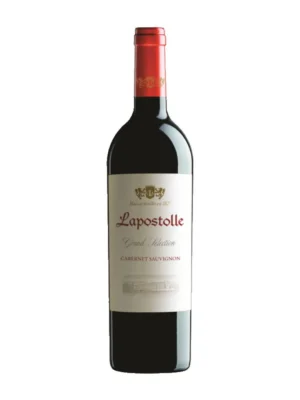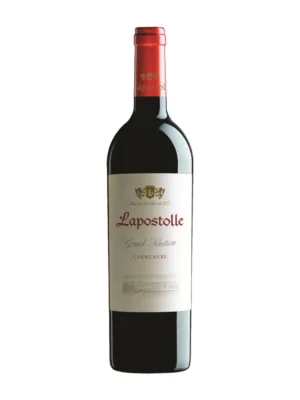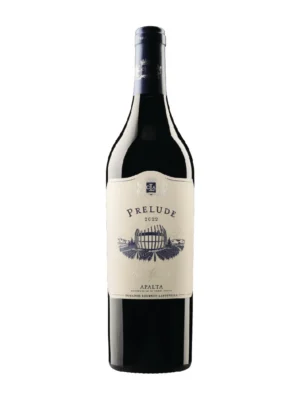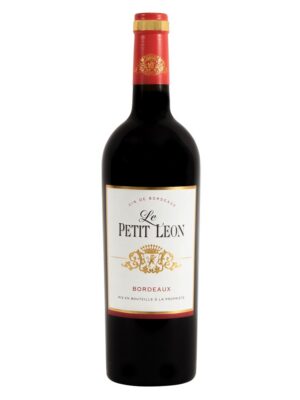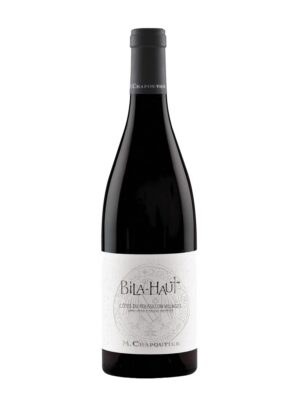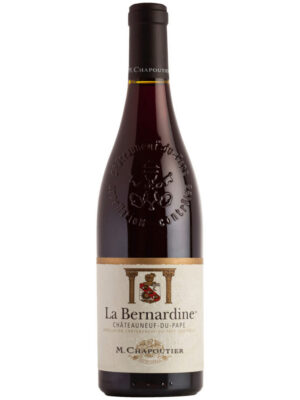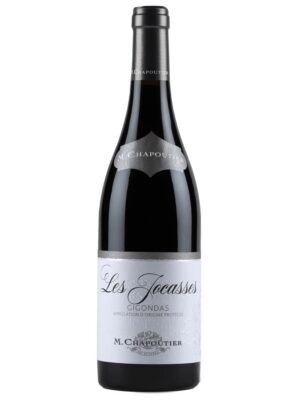

As Marius, Michel Chapoutier’s great-grandfather, always said ‘A good wine is one that beckons us to take another sip’.
These wines carry this message and reflect the warmth of the southern France terroirs in which they are rooted.
For more info, visit Marius by Michel Chapoutierwebsite.
It’s part of a broader production portfolio represented by the Femar winery and takes its name from an old farmhouse whose vineyards are located in Puglia, near the town of Manduria. The wines are produced primarily from Negroamaro and Primitivo grapes. The brand has also expanded to include an interesting version of Zinfandel.
To produce top quality wines from domaine-grown fruit, which are complex but elegant and understated, which are the perfect accompaniments for food, and which represent outstanding value and quality. Ronald Brown, a practitioner of biodynamic culture in France since 1993, worked for 8 years with the late Francois Beuchet. Ronald has imported both the technology and practical philosophy to Australia from Europe, making Maverick one of the leading edge biodynamic vineyards and wineries in the New World.
Shiraz and Barossa still epitomise the best of Australian wine for many wine lovers around the world. This Shiraz comes from the very top terroirs in the Twin Shiraz vineyards – at Ahrens’ Creek and Barossa Ridge in Vine Vale in the warm dry Barossa Valley. This remarkable “twinning” results in a voluptuous yet elegant wines, expressed also in the label painted by Sidney-based artist Charles Billich.
The Miles from Nowhere name comes from the journey Franklin Tate’s ancestors made over 100 years ago from Eastern Europe to Australia: upon their arrival, they felt they had travelled “miles from nowhere”.
The philosophy of Miles from Nowhere is based on a passion for seeking out precious pockets of exceptional land and vineyards across the Margaret River region.
This blend of Cabernet Sauvignon is created by selecting only the best individual panels and rows (the so called “Best Blocks“) from across 3 different sub-regions of Margaret River.
The Miles From Nowhere Best Blocks Cabernet Sauvignon 2022 is a structured, medium-to-full-bodied red wine crafted from selected premium rows in the Wilyabrup sub-region of Margaret River. It is recognized for its balance of intense dark fruit and savory herbal notes.
The Miles from Nowhere name comes from the journey Franklin Tate’s ancestors made over 100 years ago from Eastern Europe to Australia: upon their arrival, they felt they had travelled “miles from nowhere”.
The philosophy of Miles from Nowhere is based on a passion for seeking out precious pockets of exceptional land and vineyards across the Margaret River region.
The Miles From Nowhere Best Blocks Shiraz 2022 is a bold and structured red wine from the Margaret River region, recognized for its concentration and integration of dark fruit and oak. This vintage is frequently praised for its “creamy” mouthfeel and approachable tannins.
For several generations, the García family has been fully dedicated to viticulture. In 2000, leveraging decades of experience and winemaking know-how, they founded Bodegas Monteabellón, a family winery located in the small town of Nava de Roa. Nava de Roa still preserves a multitude of wine presses and wineries where its people once produced and stored wine. As in the rest of the Ribera del Duero region, its history and traditions are closely linked to wine.
A dry, cold winter and a dry, dry spring with a water deficit were followed by a very dry, hot summer with temperatures exceeding 42°C for more than 10 consecutive days. All of this has resulted in a high alcohol content and high tannin concentration for the vintage 2022. The result is a characteristically rich layer of color in the wines, with fewer fresh fruit notes than in previous vintages, but more ripe fruit notes this time. These characteristics are appreciated both on the palate and nose. A very good harvest is expected given the high concentration of the wines. This also includes an excellent skin-to-pulp ratio that is more balanced than in previous years.
For generations, everything in the Moser family has revolved around wine and its associated traditions. It was Alfred Moser’s son, Gernot Moser, who integrated international standards into the lovingly managed family business, thus laying the foundations for the Moser philosophy that is lived in every fiber of the company today: quality takes time. And space.
Variety Austria is a selection of full-bodied wines, rich in nuance and with a strong character, which thrive in the region.
Mottura wines are modern, but have a long history to tell. Since 1927, Mottura has been investing into the wine-making traditions of Salento, into the quality of its product and into modern and sustainable growth: made from native grapes such as Primitivo and Negroamaro, their aromas and bouquets reflect the spirit of this land, its authenticity and its energy.
Cultivated using the ancient bush-trained system which is naturally low-yield, it nonetheless has great concentration and organoleptic complexity. A Negroamaro with a strong personality yet a delicate palate.
The name and image on the label in fact recalls a rose window, the decorative roundel present on the facades of Romanesque, Gothic and Baroque style churches. The symbolic meaning of the rose window is closely related to the circle which, like an “infinite line” with no beginning and no end, is the symbol of God, and of eternity.
Mottura wines are modern, but have a long history to tell. Since 1927, Mottura has been investing into the wine-making traditions of Salento, into the quality of its product and into modern and sustainable growth: made from native grapes such as Primitivo and Negroamaro, their aromas and bouquets reflect the spirit of this land, its authenticity and its energy.
In recent years “Stilio” has been added to Mottura’s range of wines. It is made from grapes selected from low-yield vineyards in the area of Manduria. One part of the grapes used to make this wine is slightly raisined on the vine, which concentrates the aromas before harvesting, thanks to a slight drying and resulting 20-30% loss of water. The label recalls the ancient cultural tradition of the “taranta” in Salento, rediscovered in recent years: a stylised jewel-like spider on a black background. The symbolism of the spider, the “taranta”, is important. Its bite triggers the need for dancing, music and colours, with a cathartic effect. All liberating emotions that even the flavour of this wine could provoke.
Sixth generation of winegrowers, Nicolas Gaudry and his wife Sandy have been exploiting since 2003, 23 hectares of very fragmented plots between the villages of Boisgibault and Les Loges in the Nièvre. This distribution in the Pouilly vineyard offers possibilities for complex blends of all types of terroirs for a typical Pouilly-Fumé wine.
This elegant Pouilly-Fumé shows volume and consistency. Crispy and fresh wine with nice balance between fruity and minerality.
Tied to the Seigneuries of Lafite and Mouton (future First Classified Growths belonging to two different branches of the Rothschild family), Château Clerc Milon derives its name from its historic owners, the Clerc family, who acquired it when it was sold as a national asset after the French Revolution.
Living testimony to the considerable improvements in quality achieved at the property since the arrival of Baron Philippe and his descendants, Château Clerc Milon now has a second wine. Pastourelle de Clerc Milon has joined the dance and already accomplished its first very confident steps in the company of fine Pauillac wines. Its name comes from a traditional dance, the pastourelle, which evokes a knight’s romantic encounter with a shepherdess: the name echoes the pair of dancers that adorn the label of the Grand Vin. Made of gold, enamel and pearls, this precious miniature from the Museum of Wine in Art at Château Mouton Rothschild belonged to Catherine II, the empress of Russia, and is inspired by characters of the Commedia dell’Arte. Baroness Philippine de Rothschild chose it as the Clerc Milon emblem because of her love of the theatre.
2012 was a year of contrasts. The conditions of the vintage favoured superb expression of the Merlot, here mostly planted on clay-limestone parcels.
The PietraPura range is the result of the shared objectives of making the most of the native vines of the Salento area and of creating wines that express the very best of the terroir. Rocca delle Macìe has combined experience and expertise to create three different types of wine using Primitivo and Negroamaro grapes, which are vinified and bottled in the Puglia Region, under the watchful eye of the Zingarelli family’s chief winemaker, Luca Francioni.
This wine is produced with Primitivo grapes selected in the Salento Area of Apulia.
After temperature controlled fermentation is over, must is gently pressed and the wine goes through 4 months aging in French oak barrels.
It all began in the mid-1970s when André Dubosc – a third-generation wine grower – set out to build up the reputation of the wines from their region of South-West France. He and other passionate young winegrowers fashioned local dry white wines (now a PGI: Côtes de Gascogne), revived the Saint Mont appellation and gave a new breath of life to the Pacherenc du Vic-Bilh, made from late-harvested grapes. In 1979, these women and men, who put their heart, soul and know-how into producing the best the terroir could offer, decided to strengthen their foothold by uniting their wine cellars and estates. And so they set up the Plaimont union of cooperatives (“Pl” for Plaisance, “Ai” for Aignan and “Mont” for Saint Mont).
Plaimont invites you to discover a whole universe of native varietals from South-West France. The cuvée PAN brings together Colombard and Petit Manseng in a unique blend offering a wonderful balance between freshness and sweetness. Influenced by the Atlantic Ocean to the west and the Pyrenees to the south, the particular microclimate of Gascony alone determines the freshness and aromatic typicity of the wines of the area. The Colombard expresses here all its aromatic freshness while the Petit Manseng, harvested later, brings complexity and delicacy.
It all began in the mid-1970s when André Dubosc – a third-generation wine grower – set out to build up the reputation of the wines from their region of South-West France. He and other passionate young winegrowers fashioned local dry white wines (now a PGI: Côtes de Gascogne), revived the Saint Mont appellation and gave a new breath of life to the Pacherenc du Vic-Bilh, made from late-harvested grapes. In 1979, these women and men, who put their heart, soul and know-how into producing the best the terroir could offer, decided to strengthen their foothold by uniting their wine cellars and estates. And so they set up the Plaimont union of cooperatives (“Pl” for Plaisance, “Ai” for Aignan and “Mont” for Saint Mont).
It was in the vineyard of Saint Mont, that the devil disguised as a winemaker, succumbed to temptation and stole bunches of Tannat, Pinenc and Cabernet Sauvignon. This cuvee is produced from a blend of the appellation’s three terroirs: clay-limestone, variegated clay and fawn-coloured sand. The parcels have been selected on the basis of their geographically cool situations (north or west-facing) which encourage the development of the aromatic expression of the red grapes with which rosé is made. Will you succumb to temptation?
Ancient legends recount tales of nymphs, giants and winged serpents in the encompassing Apennine mountains. During the 5th century BC, the most feared mythical dragon devastated Ate and Tixa, in the southern part of Abruzzo. St. Leucio, famed slayer was summoned to kill the dragon. Today St. Leucio Cathedral stands on the monster’s den and contains the dragon’s 2 meter rib as proof of the diocesan’s bravery.
Hand-harvested grapes from the Abruzzo region make up this fruit-forward red wine. Classic Italian varietal Sangiovese is combined with French Merlot and aged for three months in large vessels made from oak, to soften and round out the tannins. Sangiovese gives crunchy red fruits, brisk acidity and fine tannins for structure, while Merlot adds soft, fleshy red stone fruits, producing a plush, satisfying red.