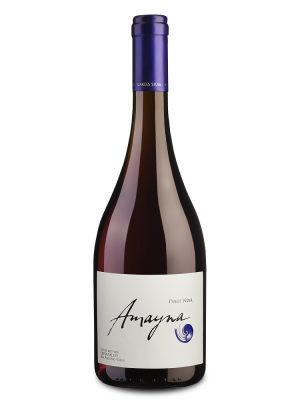
With a long lasting tradition which spans many generations, the Garcés Silva family has developed a deep bond with the land, imprinting a unique quality-seal to each of its different agricultural activities.
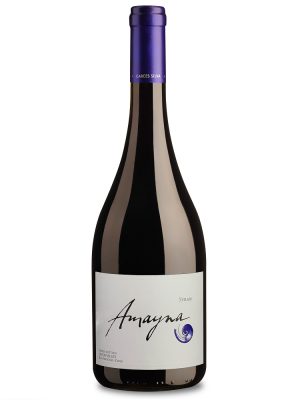
With its noble and traditional style, Amayna wines are synonymous with elegance, complexity and concentrated flavors.
Whether consumed today or after years in the cellar, Amayna wines reflect the maximum expression of their terroir and the identity of the Garcés Silva family in the Leyda Valley.
With a long lasting tradition which spans many generations, the Garcés Silva family has developed a deep bond with the land, imprinting a unique quality-seal to each of its different agricultural activities.
With its noble and traditional style, Amayna wines are synonymous with elegance, complexity and concentrated flavors.
Whether consumed today or after years in the cellar, Amayna wines reflect the maximum expression of their terroir and the identity of the Garcés Silva family in the Leyda Valley.
Amayna Syrah 2021 is noted for its “Cote Rôtie” style, combining power with elegance and featuring a distinct peppery, floral aromatic profile.
Gnarly Head wines began with a vision and a vine. In 2004, on a mission to make a serious Zinfandel, winemakers journeyed to Lodi in central California in search of the famed old vine Zinfandel vineyards. Grown in the head-trained, spur-pruned method for over a century, these vigorous gnarled vines produced more ripened red fruit than they had ever seen. They took it as a challenge to create the biggest, boldest Zinfandel they had ever made. The result was authentic, structured wines with a hint of something unexpected. Something Gnarly.
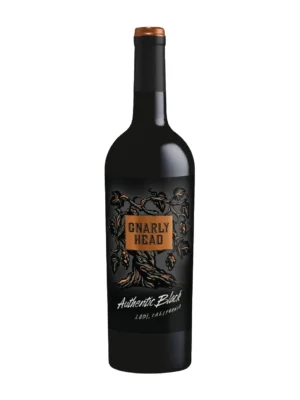
Channeling Gnarly Head’s signature fruit-driven style with concentrated black fruit flavors, Authentic Black is a dark, inky Petite Sirah-based blend designed to stand up to the season’s heartiest dishes. Fruit for this new, limited time only offering was sourced from Lodi, California with choice lots aged on oak for 12 months to craft a smooth, rich blend.
Gnarly Head wines began with a vision and a vine. In 2004, on a mission to make a serious Zinfandel, winemakers journeyed to Lodi in central California in search of the famed old vine Zinfandel vineyards. Grown in the head-trained, spur-pruned method for over a century, these vigorous gnarled vines produced more ripened red fruit than they had ever seen. They took it as a challenge to create the biggest, boldest Zinfandel they had ever made. The result was authentic, structured wines with a hint of something unexpected. Something Gnarly.
This Cabernet Sauvignon is a bold wine grown from some of the oldest vines in California. Older vines produce fewer grape clusters, but the small berries yield intense, dark fruit flavors.
Gnarly Head wines began with a vision and a vine. In 2004, on a mission to make a serious Zinfandel, winemakers journeyed to Lodi in central California in search of the famed old vine Zinfandel vineyards. Grown in the head-trained, spur-pruned method for over a century, these vigorous gnarled vines produced more ripened red fruit than they had ever seen. They took it as a challenge to create the biggest, boldest Zinfandel they had ever made. The result was authentic, structured wines with a hint of something unexpected. Something Gnarly.
This Zinfandel is a bold wine grown from some of the oldest vines in California. Older vines produce fewer grape clusters, but the small berries yield intense, dark fruit flavors.
Gnarly Head wines began with a vision and a vine. In 2004, on a mission to make a serious Zinfandel, winemakers journeyed to Lodi in central California in search of the famed old vine Zinfandel vineyards. Grown in the head-trained, spur-pruned method for over a century, these vigorous gnarled vines produced more ripened red fruit than they had ever seen. They took it as a challenge to create the biggest, boldest Zinfandel they had ever made. The result was authentic, structured wines with a hint of something unexpected. Something Gnarly.
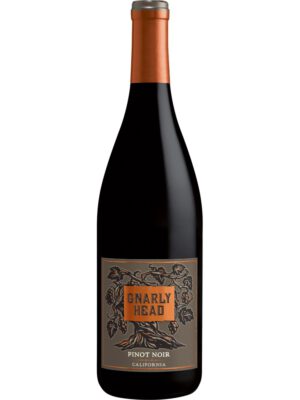
Gnarly Head Pinot Noir takes “the heartbreak grape” for a walk on the wild side. Grapes for this powerful pinot came from California growing regions notorious for growing great Pinot Noir: Monterey, Lodi and the North Coast. Fruit from each area brought a different layer to the overall blend. Vineyards in the Lodi region—a little-known source of fruit for many sparkling wine houses—provided the bold backbone for Gnarly Head Pinot Noir. North Coast fruit brought a wild element of smoky, savory aromas and flavors, while the Monterey fruit added a pure, ripe Bing cherry characteristic made famous by the region.
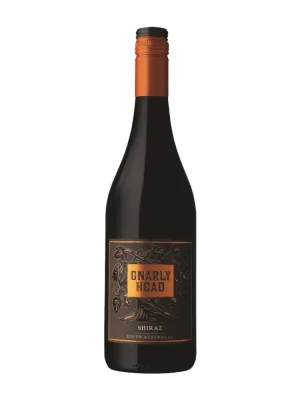
This Shiraz wine introduces a daring departure for Gnarly Head Wines, venturing beyond California to the old and gnarly vineyards of South Australia.
Inspired by the gnarled vines resembling wild bushes with twisted trunks and unruly branches, this Gnarly Head South Australia Shiraz embodies the essence of gnarly. Embark on a journey of boldness and adventure as we push boundaries and embrace the gnarly spirit.
The name Cielo e Terra (literally Sky and Land, or Heaven and Earth) recreates a perfect marriage, where Heaven is represented by the family of the same name and the Land is identified with the expert hands of the winegrower partners working in the vineyards that yield these wines.
The grapes for this magnificent Toscana IGT red undergoes the traditional winemaking practice of slow fermentation of the fresh drawn-off wine which is combined with light drying of grapes, to give a softer and more modern taste.
Casa Santos Lima was created to ensure the continuous development of Santos Lima’s wine producing activity created several generations ago. This activity was first started by Joaquim Santos Lima, who, by the turn of 19th century, was already a great producer and exporter of Portuguese wines. Still a family owned company, today is present in the regions of Lisboa, Algarve, Alentejo, Vinho Verde and Douro.
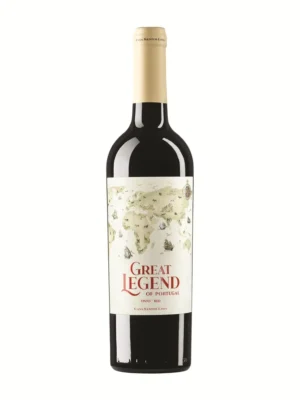
This wine, which commemorates the 500th anniversary of Vasco da Gama, pays tribute to the Portuguese navigator’s historic milestone, connecting with new peoples and cultures from around the world, sharing new knowledge and traditions.
Casa Santos Lima was created to ensure the continuous development of Santos Lima’s wine producing activity created several generations ago. This activity was first started by Joaquim Santos Lima, who, by the turn of 19th century, was already a great producer and exporter of Portuguese wines. Still a family owned company, today is present in the regions of Lisboa, Algarve, Alentejo, Vinho Verde and Douro.
Touriga Nacional, Castelão, Syrah and Cabernet Sauvignon come together in this sumptuous red blend, very much indicative of the region. Lots of black cherry character at play here. Lovely, drawn-out, soft tannins manifest, with plenty of energy and power.
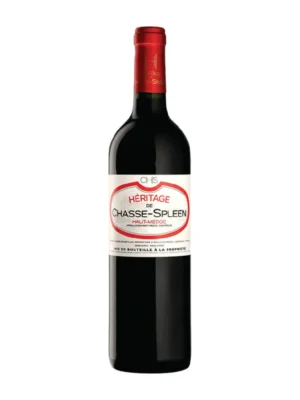
The Héritage de Chasse-Spleen Haut-Médoc is the second wine of the renowned Château Chasse-Spleen.
At first known as Ermitage de Chasse Spleen, this wine had to be given a new name in 2000 because of homonymy reasons. After a birth under the best auspices while inheriting all the care brought to its magnificent senior, this new name seemed very much appropriate.
It is crafted from younger vines and specific parcels within the Haut-Médoc appellation, offering a more accessible version of the estate’s signature style.
For more info, visit Château Chasse-Spleenwebsite.
Finca La Emperatriz is a winery with an extensive vineyard estate in Rioja Alta.
Viñedos Hermanos Hernáiz is the new project of brothers Eduardo and Víctor, who in 1996 acquired Bodega La Emperatriz, named as such because the first owner of these plots was Eugenia de Montijo, wife of Napoleon III and Empress of France. With this new emphasis and with new projects at hand, the winery changed its name but its high-end wines retain the Finca La Emperatriz signature, the name of the ‘viñedo singular’ they come from, which is given to small, old plots with limited but high quality production and which, in summary, must comply with a series of strict standards to prove their quality. The grapes used to make El Jardín de la Emperatriz Tinto come from plots where the soils are mostly composed of white boulders over a sandy-loam structure and where the vines have an average age of 25 years old.
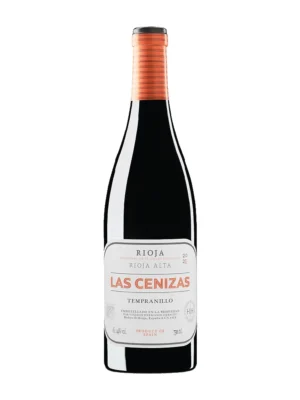
Las Cenizas is the winery’s village wine that takes its name from one of the most important towns in the Rioja DOCa: Cenicero, in the heart of Rioja Alta, – where the Hernáiz brothers – and whose name is believed to be due to the bonfires that the primitive shepherds left as they passed through the area. A historic town known for its vineyards and the quality of its wines.
For more info, visit Finca La Emperatriz / Hermanos Hernáiz website.
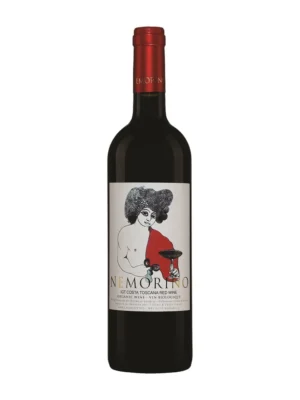
L’Elisir D’Amore is an Italian 19th century opera buffa by Gaetano Donizetti. It tells the story of the charlatan pharmacist Dulcamara whose “love filter”, in truth a bottle of Bordeaux, helps Nemorino conquer the heart of the beautiful Adina despite Belcore’s interference. A complex tale of ploys and passion, with the sweet tones of love and the bitter taste of jealousy – it offers a representation of wine as a powerful love filter that is fitting with the charming wisely-balanced intensity of I Giusti & Zanza wines.
The Red Nemorino’s composition varies slightly from vintage to vintage. It is primarily composed of Syrah (about 60%), with additions of Merlot and Sangiovese, as well as small shares of Alicante, according to the vintage.
The agricultural conduction is organic and biodynamic in the vineyards.
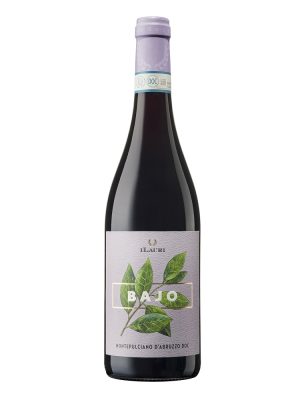
The name “iLauri” stems from the ancient roots of our birth place, Loreto Aprutino, once covered in Laurus nobilis, or laurel trees.
The name Bajo (Bay) given to the town’s most important street comes from the hair color of some horses. Bay is one of the most common coat colors in many horse breeds.
I Lauri conceives this precious Montepulciano with each new harvest; a wine with a name rooted in the territory it belongs to.
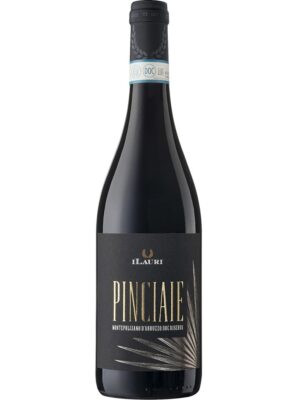
The name “iLauri” stems from the ancient roots of our birth place, Loreto Aprutino, once covered in Laurus nobilis, or laurel trees.
The name of this wine stems from the ancient form of construction typical in pastoral communities of Abruzzo.
The vineyard extends for 4 hectares at an altitude of 300 meters above sea level and is vinified separately in outstanding vintages in order to maintain its exceptional characteristics.
Eco-compatible farming methods. 100% produced with clean and renewable wind-generated energy of sustainability.


 Download Tasting Note