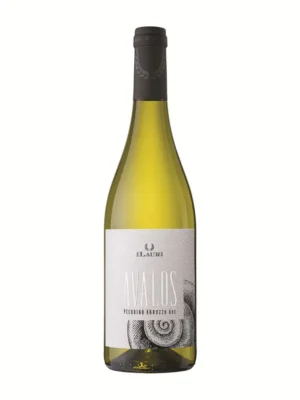

Cantina Le Monde is located in Friuli, within the famous Grave del Friuli area that extends from the foothills of the Alps to the Adriatic Sea. The origins of the estate that once owned the farmland can be traced back to the early 1700’s. The name ‘Le Monde’ is taken from the Germanic-Latin word “Mundio”, an ancient Germanic law that ‘protected’ the farmlands of the region. Cantina Le Monde ‘protects’ and safeguards its vineyards, farming in a healthy way, that respects nature and the sustainable future of ancient soils.
“We don’t do what we do for the plaudits of our profession. If critics endorse our product, that’s great news, but truly, we do what we do at Le Monde for all wine drinkers – for everyone – for the people” – Alex Maccan, owner of Cantina Le Monde.
Cantina Le Monde is located in Friuli, within the famous Grave del Friuli area that extends from the foothills of the Alps to the Adriatic Sea. The origins of the estate that once owned the farmland can be traced back to the early 1700’s. The name ‘Le Monde’ is taken from the Germanic-Latin word “Mundio”, an ancient Germanic law that ‘protected’ the farmlands of the region. Cantina Le Monde ‘protects’ and safeguards its vineyards, farming in a healthy way, that respects nature and the sustainable future of ancient soils.
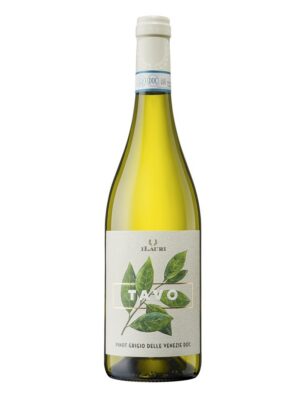
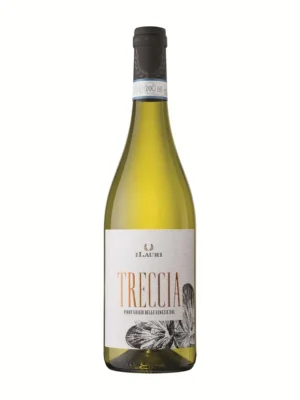
The Pinot Grigio of Le Monde is produced on the clay and limestone soils of Friuli, which give a pleasant freshness and minerality to the wines of this area.
“We don’t do what we do for the plaudits of our profession. If critics endorse our product, that’s great news, but truly, we do what we do at Le Monde for all wine drinkers – for everyone – for the people” – Alex Maccan, owner of Cantina Le Monde.
Vignobles Lassagne gather several family properties that were bought since three generations and are grown according to tradition and innovation on unique terroir located in the Libourne area.
Vignobles Lassagne encompasses these three properties: Château des Arnauds (the original estate), Château des Landes and Château Maltus, the latest addition to the Vignobles Lassagne.
A pressed rosé made from the best Cabernet Franc, harvested at perfect maturity.
Originally from Schönberg, in the Rhineland, fleeing the consequences of the defeat of Napoleon I, the Yung family origins settled for more than a century in Algeria. Already listed in the first edition of Féret des Vins d’Oranie in 1886, the family developed its vineyard until independence, until forced to abandon the wine estates it had owned since 1859.
In 1862 Charles Young joined his older brother, already settled in Gironde. He then decides to acquire for his 2 children and his 2 nephews, the Château Haut Mondain, a 42-hectare AOC Bordeaux wine estate, followed then by Château Barail, Les Hauts de Palette and Moulin de Tassin.
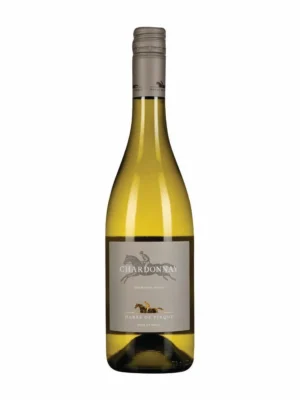
Grown in the Pays d’Oc enclave, Cuvée Dissenay hails from vineyards tucked between mountains and the Mediterranean, which gives grapes the perfect balance of warm sun and cooling breezes.
This round and buttery Chardonnay will greet your nose with honeysuckle hints.
Traditional and genuine, this white wine offers a rich and lingering finish.
Grown in the Pays d’Oc enclave, Cuvée Dissenay hails from vineyards tucked between mountains and the Mediterranean, which gives grapes the perfect balance of warm sun and cooling breezes.
Listel is above all a strong story told for over 100 years. It was in 1883 that the Salins du Midi, owners of large expanses of sand in the Camargue, decided to plant the first vines on the “Isles de Stel”, a plot that gave its name to the emblematic rosé: Listel.
The Grain de Gris Rosé is a delicate rosé that makes you want to breathe it gently, a wine that coaxes the taste buds before stimulating them with fruity and spices notes.
Vignobles Lassagne gather several family properties that were bought since three generations and are grown according to tradition and innovation on unique terroir located in the Libourne area.
Vignobles Lassagne encompasses these three properties: Château des Arnauds (the original estate), Château des Landes and Château Maltus, the latest addition to the Vignobles Lassagne.
Discover the irresistible charm of Lola Sweet, an elegant and refined white wine from the heart of Bordeaux. Produced by the renowned Vignobles Lassagne winery, from the prestigious Bordeaux Blanc Doux appellation, this wine symbolizes the rich tradition of sweet white Bordeaux wines.
Made from 100% Sauvignon Blanc, a grape variety known for its aromatic power and fresh acidity, that in this moelleux version, comes into full bloom, with a velvety structure and a seductively sweet flavor profile.
The Robin family has owned their vineyard in Chablis since 1836. In 1888 they moved to Chichée, a small village 3 km southeast of Chablis. Today, the family owns about thirty hectares of vineyards in the best locations in Chichée and Chablis.
Louis Robins Chablis places great emphasis on highlighting the fine aromas and the original mineral tones of the Chardonnay grape from the region. The grapes are harvested mechanically and vinified in temperature-controlled steel tanks.
The Luz Chilena Family Collection Cabernet Sauvignon come from vineyards located in the heart of the Maule Valley and selected from fine grapes, carefully vinified in the mother winery.
This Cabernet has exceptional colur, vibrant varietal expresison and a smooth, elegant finish.
The story began with Michel Chapoutier, a unique man with a thirst for knowledge, definitely one of a kind. He seeks to discover and reflect the full potential of his terroirs and let the soils express their true character.
This now forms the basis of the M. CHAPOUTIER ethos to reveal the very best of what the soils have to offer.
Domaine Dutron has been crafting wine in the picturesque town of Fuissé since 1835, where the family estate spans 16 hectares of Chardonnay vineyards. Passed down through generations, Maxime Dutron now oversees the vineyards, continuing the family’s legacy while embracing sustainable farming.
At the heart of the Pouilly-Fuissé plots, the vines for Mâcon-Fuissé wine make the most of their terroir and clay-limestone soils. This is an ideal soil composition which allows these 25-year-old Chardonnay vines to produce a unique, elegant and distinctively Mâconnais wine.
Malbicho is regarded as someone who dares to try something new, who abides by the dictates of tradition, who has a confident and challenging attitude toward life. Therefore, these wines convey the vision of someone who thinks outside the box, someone who challenges limits, who fears nothing. Argentine wines, but with their own unique perspective: free and challenging. That and much more lives in every bottle of Malbicho.
A great example of an Argentine Chardonnay, which possesses a smooth, mouth-filling sensation for a finish that is complex luscious and round
Founded in 1642, Mandan is the oldest wine estate in Chile and now listed by the government as one of the oldest historic buildings.
Mandan is the name originally meant for the first tribe of American Indians, migrated from Siberia to the Americas more than 20,000 years ago, where they formed a unique culture there.
Americans believe that the birds soaring in the sky have a sacred charm. In ancient sports or war, whoever wins will get a feather, which will be inserted into the hat as a prize and become a symbol of honor. The higher the number of feathers, the higher the bravery and the greater the prestige of war.
That’s why the winery is marked by feathers, which, at the same time, represent the enthusiastic and sunny winemaking spirit of the winery and the endless exploration and passion for high-quality wine.
Founded in 1642, Mandan is the oldest wine estate in Chile and now listed by the government as one of the oldest historic buildings.
Mandan is the name originally meant for the first tribe of American Indians, migrated from Siberia to the Americas more than 20,000 years ago, where they formed a unique culture there.
Americans believe that the birds soaring in the sky have a sacred charm. In ancient sports or war, whoever wins will get a feather, which will be inserted into the hat as a prize and become a symbol of honor. The higher the number of feathers, the higher the bravery and the greater the prestige of war.
That’s why the winery is marked by feathers, which, at the same time, represent the enthusiastic and sunny winemaking spirit of the winery and the endless exploration and passion for high-quality wine.