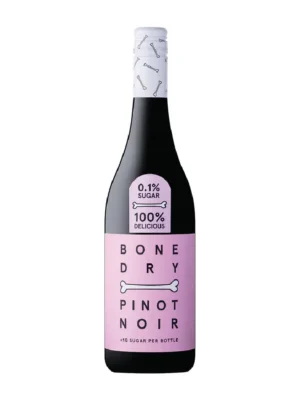

In the heart of South Australia’s wine country, from the Limestone Coast, Daimon Downey set out to do things differently. At Dem Bones boutique winery, they’ve revolutionised the way wine is enjoyed, focusing on reducing sugar and carbs without compromising on flavour. Completed by a modern, minimalist design that captures the essence of Bone Dry — bold, fresh, and effortlessly stylish.
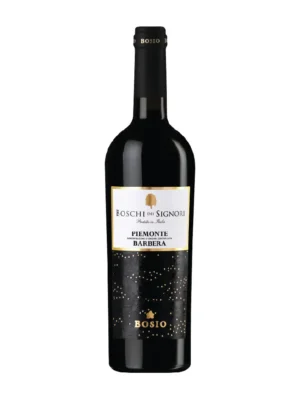
In the heart of Langhe, Italy, where technology and rural tradition coexist, lies the Bosio Family Estates Winery. The winery, founded in 1967, is an official Unesco Human Heritage and prides themselves in keeping authentic winemaking traditions and excellences. Bosio’s wines are vinified in small parcels to produce vintages with great varietal character and are some of the best value from the Piedmont region.
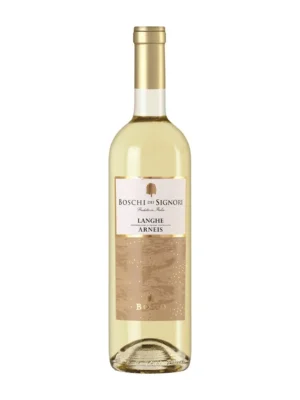
This wine is made from Arneis grapes grown on the Bosio Estate in the Langhe region on clay and calcareous soils and produced in a classic and refreshing style.
In the heart of Langhe, Italy, where technology and rural tradition coexist, lies the Bosio Family Estates Winery. The winery, founded in 1967, is an official Unesco Human Heritage and prides themselves in keeping authentic winemaking traditions and excellences. Bosio’s wines are vinified in small parcels to produce vintages with great varietal character and are some of the best value from the Piedmont region.
This low alcohol Moscato D’Asti is a beautifully fresh and sweet wine, with a slight effervescence.
Buglioni produces distinctive wines and, alongside the traditional Valpolicella styles, offers more unconventional and pure expressions that reveal the authentic character of the territory and its native varieties.
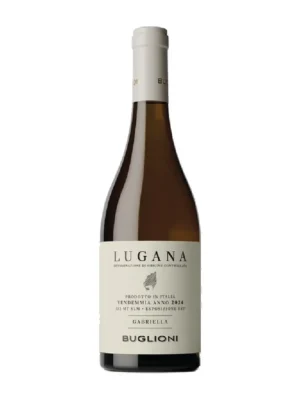
In 2018, Mariano Buglioni was looking for the best name for his new Lugana. Reflecting on his reasons for growing outside Valpolicella, he realised that the Lugana area itself, south of Lake Garda, was the ‘Muse’ that had inspired him. With the harvest of 2023, the wine became ‘Gabriella’, a tribute to Mariano’s mother, his first muse and source of daily inspiration.
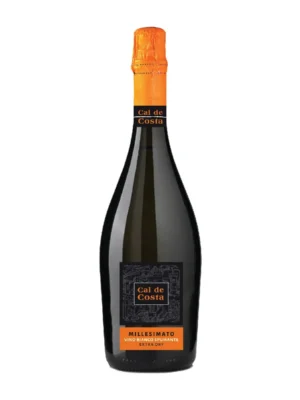
Cal de Costa is an Italian winery located in the Veneto region of Northern Italy, specifically in Treviso, within the prestigious Prosecco production zone.
Cal de Costa focuses on traditional Italian sparkling styles, including Prosecco DOC and Millesimato (vintage) blends.
Sourced from vineyards in Treviso, this spumante is crafted from a blend of white grapes, fermented using the Charmat Method, Cal de Costa Spumante Extra Dry is a sparkling Italian wine known for its approachable, fruit-forward profile. Despite the name “Extra Dry,” it follows standard sparkling wine classification, meaning it actually contains a hint of residual sugar—making it slightly sweeter than a “Brut” but still crisp and refreshing.
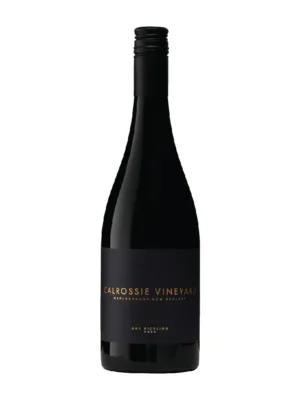
The award-winning Calrossie Vineyard wines from the Awatere Valley in Marlborough, New Zealand are celebrated for their exceptional quality and attention to detail. Calrossie Vineyard wines are the product of meticulous attention to detail and offer elegant expressions of vineyard and vintage.
This 2024 Dry Riesling is the first release of Riesling as a standalone variety. Typically harvested and fermented with Sauvignon Blanc, the textbook 2024 vintage gave the perfect opportunity to separately harvest and ferment this as a standalone wine worth of its own label and bottling.
From rich clay soils and high-density planted vines, Calrossie Vineyard produces wines of great palate weight, fresh acidity and intensity of flavour. The 2024 vintage was a low yielding, cool and dry one, allowing to pick the fruit on at perfect physiological ripeness without any pressure from weather or other events.
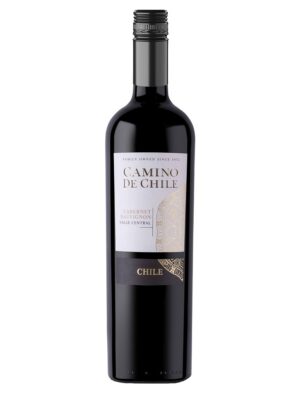
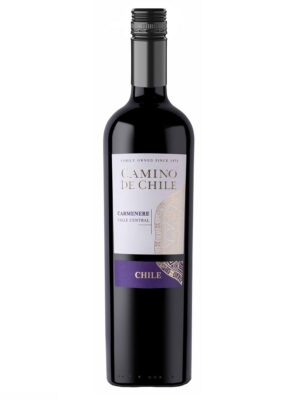
The grapes come from vineyards located in Villa Alegre, 285 km south of Santiago, in Maule Valley. This place has a Mediterranean-like climate, with mild winters and dry summers, with marked range of temperatures between day and night.
This allows the grapes to get ripe tannins, as well as excellent aromas and color concentration. Soils are a combination of sand and volcanic ash and the flat terrain gets and superb sunlight exposition. Yields are carefully controlled to produce concentrated wines, excellent quality and elegance.
Camino del Chile indicates the direction of Bodegas De Aguirre, today known as VDA, Viña de Aguirre, from their origins and their ancestors towards excellence.
Classified as AA Company under the BRC Global Standards Quality Program.
The grapes come from vineyards located in Villa Alegre, 285 km south of Santiago, in Maule Valley. This place has a Mediterranean-like climate, with mild winters and dry summers, with marked range of temperatures between day and night.
This allows the grapes to get ripe tannins, as well as excellent aromas and color concentration. Soils are a combination of sand and volcanic ash and the flat terrain gets and superb sunlight exposition. Yields are carefully controlled to produce concentrated wines, excellent quality and elegance.
Camino del Chile indicates the direction of Bodegas De Aguirre, today known as VDA, Viña de Aguirre, from their origins and their ancestors towards excellence.
Classified as AA Company under the BRC Global Standards Quality Program.
The grapes come from vineyards located in Villa Alegre, 285 km south of Santiago, in Maule Valley. This place has a Mediterranean-like climate, with mild winters and dry summers, with marked range of temperatures between day and night.
This allows the grapes to get ripe tannins, as well as excellent aromas and color concentration. Soils are a combination of sand and volcanic ash and the flat terrain gets and superb sunlight exposition. Yields are carefully controlled to produce concentrated wines, excellent quality and elegance.
Camino del Chile indicates the direction of Bodegas De Aguirre, today known as VDA, Viña de Aguirre, from their origins and their ancestors towards excellence.
Classified as AA Company under the BRC Global Standards Quality Program.
The grapes come from vineyards located in Villa Alegre, 285 km south of Santiago, in Maule Valley. This place has a Mediterranean-like climate, with mild winters and dry summers, with marked range of temperatures between day and night.
This allows the grapes to get ripe tannins, as well as excellent aromas and color concentration. Soils are a combination of sand and volcanic ash and the flat terrain gets and superb sunlight exposition. Yields are carefully controlled to produce concentrated wines, excellent quality and elegance.
Camino del Chile indicates the direction of Bodegas De Aguirre, today known as VDA, Viña de Aguirre, from their origins and their ancestors towards excellence.
Classified as AA Company under the BRC Global Standards Quality Program.
The grapes come from vineyards located in Villa Alegre, 285 km south of Santiago, in Maule Valley. This place has a Mediterranean-like climate, with mild winters and dry summers, with marked range of temperatures between day and night.
This allows the grapes to get ripe tannins, as well as excellent aromas and color concentration. Soils are a combination of sand and volcanic ash and the flat terrain gets and superb sunlight exposition. Yields are carefully controlled to produce concentrated wines, excellent quality and elegance.
Camino del Chile indicates the direction of Bodegas De Aguirre, today known as VDA, Viña de Aguirre, from their origins and their ancestors towards excellence.
Classified as AA Company under the BRC Global Standards Quality Program.
The grapes come from vineyards located in Villa Alegre, 285 km south of Santiago, in Maule Valley. This place has a Mediterranean-like climate, with mild winters and dry summers, with marked range of temperatures between day and night.
This allows the grapes to get ripe tannins, as well as excellent aromas and color concentration. Soils are a combination of sand and volcanic ash and the flat terrain gets and superb sunlight exposition. Yields are carefully controlled to produce concentrated wines, excellent quality and elegance.
Camino del Chile indicates the direction of Bodegas De Aguirre, today known as VDA, Viña de Aguirre, from their origins and their ancestors towards excellence.
Classified as AA Company under the BRC Global Standards Quality Program.
The Cantina di Negrar brand is the soul of Cantina Valpolicella Negrar and pays homage to the philosophy of cooperative production while also recalling the territory’s historical vestiges: the effigy of St. Mark’s Lion standing tall on a column in the centre of Negrar is testimony of the Venetian Republic’s domination in the sixteenth century. The Cantina di Negrar wines are rooted in the wine-making tradition of Valpolicella and the Veronese wine-growing areas, with a modern reinterpretation to guarantee the best price/quality ratio.
This wine takes its name from its production area, Lugana, which is located on the southern shore of Lake Garda and divided between the provinces of Brescia and Verona.
Juan Cúneo Solari founded Casas del Bosque in 1993, at a time when the Chilean wine industry was pursuing quantity over quality. His commitment to quality is evident in the Gran Reserva Cabernet, a wine which is a great exponent of this characteristic variety of Chile that finds one of its most typical expressions in the Maipo Valley.
Carménère originates from the Bordeaux region of France. However, Chile is currently the main producer of this grape variety worldwide. The grapes come from alluvial loam soils with good drainage towards the Cachapoal river in Almahue, in the commune of Peumo, which has traditionally been recognized for the quality of its Carménère. The variety was harvested during the first fortnight of April, seeking a balance between the herbaceous compounds typical of the variety and its fruity notes.
Juan Cúneo Solari founded Casas del Bosque in 1993, at a time when the Chilean wine industry was pursuing quantity over quality.
Coming from 10-15 year old vines planted in red granite hillside soils, located within the coldest and western areas of the Casablanca Valley, 18 km from the Pacific Ocean and at 250 m altitude in the single vineyard of Las Dichas.
Due to a warmer 2024 growing season, the winemaking team dialed back oak usage to better highlight the fruit’s natural quality, resulting in a ripe yet fresh expression of the variety.