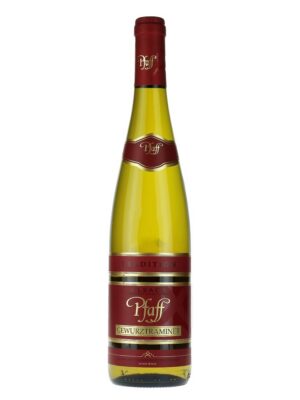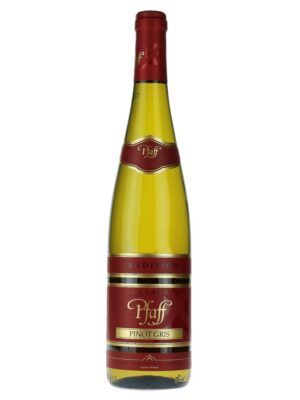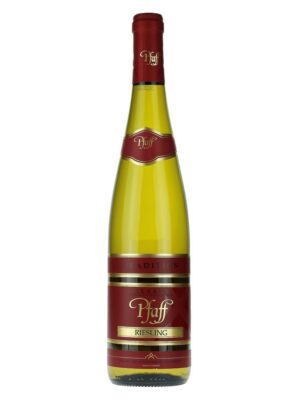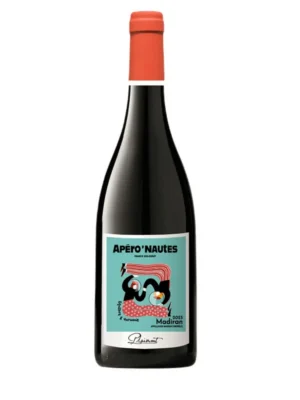

It all began in the mid-1970s when André Dubosc – a third-generation wine grower – set out to build up the reputation of the wines from their region of South-West France. He and other passionate young winegrowers fashioned local dry white wines (now a PGI: Côtes de Gascogne), revived the Saint Mont appellation and gave a new breath of life to the Pacherenc du Vic-Bilh, made from late-harvested grapes. In 1979, these women and men, who put their heart, soul and know-how into producing the best the terroir could offer, decided to strengthen their foothold by uniting their wine cellars and estates. And so they set up the Plaimont union of cooperatives (“Pl” for Plaisance, “Ai” for Aignan and “Mont” for Saint Mont).
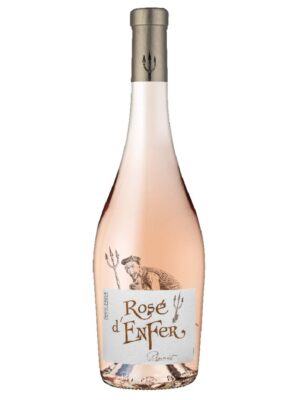
It was in the vineyard of Saint Mont, that the devil disguised as a winemaker, succumbed to temptation and stole bunches of Tannat, Pinenc and Cabernet Sauvignon. This cuvee is produced from a blend of the appellation’s three terroirs: clay-limestone, variegated clay and fawn-coloured sand. The parcels have been selected on the basis of their geographically cool situations (north or west-facing) which encourage the development of the aromatic expression of the red grapes with which rosé is made. Will you succumb to temptation?
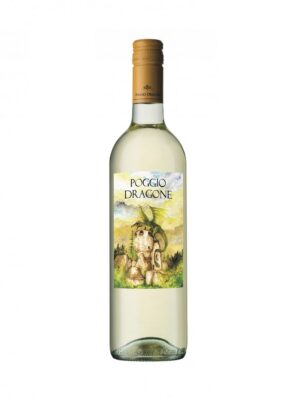
Ancient legends recount tales of nymphs, giants and winged serpents in the encompassing Apennine mountains. During the 5th century BC, the most feared mythical dragon devastated Ate and Tixa, in the southern part of Abruzzo. St. Leucio, famed slayer was summoned to kill the dragon. Today St. Leucio Cathedral stands on the monster’s den and contains the dragon’s 2 meter rib as proof of the diocesan’s bravery.
A blend of Trebbiano and Chardonnay grapes from the Abruzzo region, which are hand-harvested to create this fresh Italian white. Elegant and highly drinkable, this zesty wine is chock-full of refreshing citrus flavours. Best enjoyed on a sunny day on your favourite Terrazza.
Progetti Agricoli is committed to achieve the best quality of products with a creative design. Each project wine is conceived and realized to change from time to time, region to region, appellation to appellation, and vintage after vintage to “design each wine like a unique project”.
Casa Santos Lima was created to ensure the continuous development of Santos Lima’s wine producing activity created several generations ago. This activity was first started by Joaquim Santos Lima, who, by the turn of 19th century, was already a great producer and exporter of Portuguese wines. Still a family owned company, today is present in the regions of Lisboa, Algarve, Alentejo, Vinho Verde and Douro.
The vines, planted with native Portuguese grapes, are located in the classified region of Lisbon (Lisboa) and planted in sun kissed hills with a gentle maritime influence and clay-limestone soils. With a citric colour and very aromatic it reveals plenty of freshness and a nice acidity.
Casa Santos Lima was created to ensure the continuous development of Santos Lima’s wine producing activity created several generations ago. This activity was first started by Joaquim Santos Lima, who, by the turn of 19th century, was already a great producer and exporter of Portuguese wines. Still a family owned company, today is present in the regions of Lisboa, Algarve, Alentejo, Vinho Verde and Douro.
The vines, planted with native Portuguese grapes, are located in the classified region of Lisbon (Lisboa). The mild climate of this region, the influence of the sea breeze and the clay-limestone soils have allowed the produciotn of this pleasant wine.
Rocca delle Macìe was established in 1973, when Italo Zingarelli, a film-maker, producer and director, decided to realize his lifelong dream by acquiring the “Le Macìe” estate, in order to create a winery in the heart of the Chianti Classico zone and to produce wines that, thanks to their balance between the tannic structure, fruit and pleasantness, can be appreciated by young people and wines that are able to give over the years a great evolution.
Classic introductory Chianti, quite fresh in style. Its name derives from the Latin “vernale”, meaning ‘of spring’ and indicating the period of the year in which the Chianti, having got through the winter, was bottled.
Root:1 Cabernet Sauvignon is an expression of Chile’s unique terroir and the winemaking expertise of Viña Ventisquero. The name “Root 1” pays homage to the ungrafted, original rootstock of their vines, which helps produce distinctive and authentic wines.
With a long growing season, the warm days and cool nights of this estate vineyard in Colchagua Valley provide an ideal environment for the late-ripening Cabernet Sauvignon grape to reach its maximum potential.
A brilliant example of fruit meets finesse, our stunningly balanced Cabernet Sauvignon rolls across your palate in a velvety swirl, inundating every corner of your mouth with a masterful blend of dark berries, black pepper, and mocha.
The cool, maritime climate of this estate vineyard in the Casablanca region preserves the natural aromatics and bright acidity of the Sauvignon Blanc.
A versatile, food-friendly wine with a crisp, clean finish and refreshing citrus notes that call for grilled seafood or a summery plate of pesto-topped pasta.
The Ruggeri winery was founded in 1950 by Giustino Bisol , whose family boasts a centuries-old tradition and deep roots in the wine-growing culture of the Valdobbiadene area.
This elegant Prosecco Brut Rosé DOC “Argeo” by Ruggeri comes from a prevalence of Glera grapes combined with a lower percentage of Pinot Noir. The two varieties are vinified separately: glera in white, while pinot noir ferments in contact with the skins. Once the assembly is complete, the wine is placed in an autoclave for the second fermentation, in accordance with the Martinotti or Charmat method, where it remains in contact with the noble lees for at least 2 months.
Dedicated to Giustino Bisol, who founded the winery in 1950, this sparkling wine is the fruit of extensive trials and experiments with particular selections and techniques, from the vines to the bottle. The Giustino B. therefore embodies the living expression of the experience and determination in the search for the very best and of the passionate dedication to the grape itself (traditionally called Prosecco).
Giustino B. is receiving constantly the Tre Bicchieri del Gambero Rosso at every vintage, making the Ruggeri winery the only one in the world of Prosecco to be awarded the prestigious star award from Gambero Rosso.
A few kilometers east of the town of Valdobbiadene lies the hamlet of San Pietro di Barbozza, also known as Cartizze. A stunning location, a hillside covered in vineyards considered the heart of the appellation. It is here that the Glera grape reaches its peak ripeness, producing deep and nuanced wines. From these vineyards comes the Brut di Ruggeri, a wine whose natural smoothness meets unexpected freshness in a context of great flavor definition, perfect for opening a fine dinner, pairing appetizers and fish dishes.
Schild Estate Wines are created with an authenticity and passion that comes from generations of a family who have made their home in the Southern Barossa.
An excellent illustration of Polish Hill in the Clare Valley.
João António Cerdeira was the first to break from this tradition in Melgaço and planted a full parcel as a continuous vineyard of Alvarinho. Today the third generation family members continue to embrace this spirit of innovation.
Rightfully bearing the name Granit, this wine is all about minerality. It offers less fruit and more acidity, revealing an unusual dimension of Alvarinho from the mountain. Its elegance and crisp texture make Soalheiro Granit a very gastronomic wine.
Some 340 winemaking families joined forces in 1907 to create St. Michael-Eppan Winery, home to South Tyrol’s largest wine-growing municipality, Eppan.
Cellar Master Hans Terzer’s attaches the utmost importance to vinifying top wines that are clear, pure in tone and true to their varietal characteristics.
Up until the ‘80s some Chardonnay grapevines could be found in Pinot Bianco vineyards. Only in 1982, for the first time in South Tyrol, Chardonnay was vinified as a unique varietal wine by St. Michael-Eppan Winery, and since then it has experienced enormous popularity. It is wonderfully juicy and inviting, with long-lasting persistence.
Some 340 winemaking families joined forces in 1907 to create St. Michael-Eppan Winery, home to South Tyrol’s largest wine-growing municipality, Eppan.
Cellar Master Hans Terzer’s attaches the utmost importance to vinifying top wines that are clear, pure in tone and true to their varietal characteristics.
This aromatic grape variety with reddish berries originated in an area close to the winery, and today is grown all over the world. Unlike many of the world’s Gewürztraminers, the St.Michael-Eppan’s one is vinified dry. The result is a memorable fruity yet spicy wine with a captivating aromatic richness.