The name Cielo e Terra (literally Sky and Land, or Heaven and Earth) recreates a perfect marriage, where Heaven is represented by the family of the same name and the Land is identified with the expert hands of the winegrower partners working in the vineyards that yield these wines.
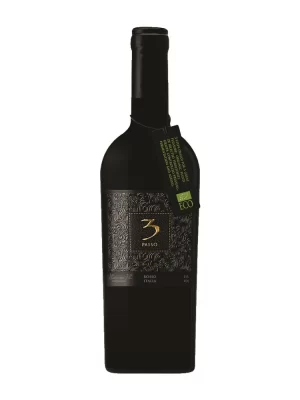
“3 Passo” means 3 steps to obtain a unique Italian blend, a 3-step winemaking approach based on Italian vocated terroirs, only organic grapes and masterful vegan winemaking.
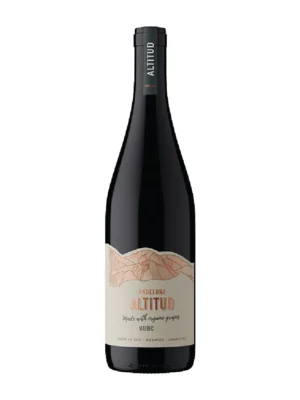
Altitud Organic Malbec embodies Andeluna’s commitment to sustainable winemaking, paying tribute to the terroir and the community they are in.
A Malbec made from organic grapes from the mountains that will awaken a distinct sensory expression.
Friends since school, Anthony Aubert & Jean-Charles Mathieu challenged themselves to create a range of wines in their image, by bringing a touch of originality and modernity to their cuvées. Created in 2018, they are part of an eco-conscious approach, more transparent and more sustainable. This commitment is evident from the vine to the bottle with organic cuvées or in conversion.
Carbon neutrality is the brand’s primary commitment. Eco-responsible packaging comprehends recycled and lightweight glass bottles, sustainable caps, labels and boxes. Sustainable viticulture makes possible to plant hundreds of trees each year works and to safeguard and protect the bees, its environment and the beekeeping heritage of Languedoc.
“Tired of our respective professional lives, we left everything to pursue a slightly crazy dream: to create wines like us, a little unconventional and offbeat” – Anthony Aubert & Jean-Charles Mathieu
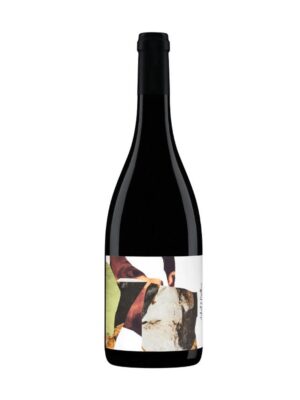
This range brings together the best Terroirs of the Languedoc Roussillon region and invites you to a beautiful sensory stroll in our region of origin.
It highlights the nuances and singularities of each appellation, as this fresh and vibrant Terrasses du Larzac.
Friends since school, Anthony Aubert & Jean-Charles Mathieu challenged themselves to create a range of wines in their image, by bringing a touch of originality and modernity to their cuvées. Created in 2018, they are part of an eco-conscious approach, more transparent and more sustainable. This commitment is evident from the vine to the bottle with organic cuvées or in conversion.
Carbon neutrality is the brand’s primary commitment.
In 2022, 70% of all the cuvées will be certified by an environmental label. Eco-responsible packaging comprehends recycled and lightweight glass bottles, sustainable caps, labels and boxes. Sustainable viticulture makes possible to plant hundreds of trees each year works and to safeguard and protect the bees, its environment and the beekeeping heritage of Languedoc.
“Tired of our respective professional lives, we left everything to pursue a slightly crazy dream: to create wines like us, a little unconventional and offbeat” – Anthony Aubert & Jean-Charles Mathieu
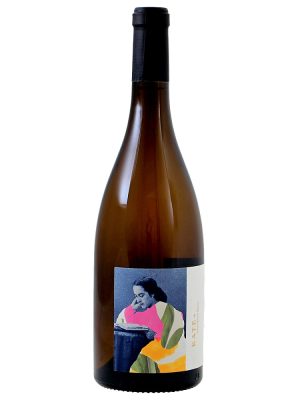
Certified Organic Agriculture, KATE is a surprising, fresh and elegant wine. It develops notes of exotic fruits and a nice length. With its Pop side, this little Sauvignon will charm your taste buds.
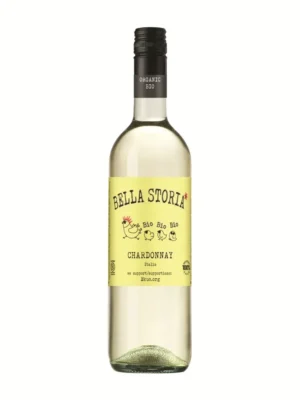
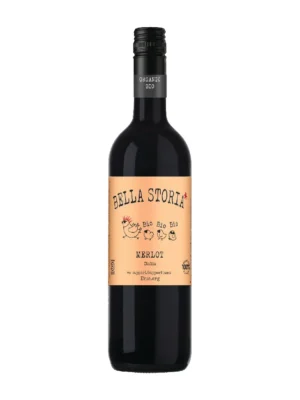
“BellaStoria”, the new wine brand that combines business and solidarity, was released in 2020.
It is the output of the collaboration between Cielo e Terra S.p.A. and Murialdo World Onlus.
The brand wants to tell a “nice story” of solidarity: 5% of the net sales of these products will be donated to the charity purposes of the non-profit organization Ekuo.org.
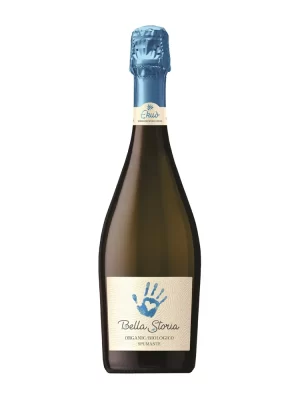
“BellaStoria”, the new wine brand that combines business and solidarity, was released in 2020.
It is the output of the collaboration between Cielo e Terra S.p.A. and Murialdo World Onlus.
The brand wants to tell a “nice story” of solidarity: 5% of the net sales of these products will be donated to the charity purposes of the non-profit organization Ekuo.org.
“BellaStoria”, the new wine brand that combines business and solidarity, was released in 2020.
It is the output of the collaboration between Cielo e Terra S.p.A. and Murialdo World Onlus.
The brand wants to tell a “nice story” of solidarity: 5% of the net sales of these products will be donated to the charity purposes of the non-profit organization Murialdo World.
Andrés Valiente and his son Rodolfo formed Viñedos & Bodegas Vegalfaro in 1999. The name Vegalfaro comes from a combination of the word “vega,” meaning a lowland meadow or stretch of alluvial soil, with the historic name of their winery property, Casa Alfaro.
Bodegas Vegalfaro cultivates 60 hectares (148 acres) of low-yielding vines that fully conform to the strict requirements of Ecological Farming established by the European Union. The winery has never utilized artificial products in its vineyards, so soils are alive with a prolific variety of microfauna. These microscopic organisms are very important for the decomposition of organic material, as well as for the absorption of nutrients through a symbiotic relationship with the vine roots.
Caprasia in Iberian meant “the land of the goats.” The Caprasia brand pays tribute to a time when wild goats ran free and the native Iberian people practiced viticulture between the Sierra Cabrillas mountains and the Cabriel river. Situated at an altitud of 680m in the Vega del Rio Magro, this wine comes from a plot of red loamy clay soil adjoining the bodega and another small plot of limestone. The entire Bobal plantation is grown in the traditional bush vine style comprised of old vines with an average age of 85 years.
Andrés Valiente and his son Rodolfo formed Viñedos & Bodegas Vegalfaro in 1999. The name Vegalfaro comes from a combination of the word “vega,” meaning a lowland meadow or stretch of alluvial soil, with the historic name of their winery property, Casa Alfaro.
Bodegas Vegalfaro cultivates 60 hectares (148 acres) of low-yielding vines that fully conform to the strict requirements of Ecological Farming established by the European Union. The winery has never utilized artificial products in its vineyards, so soils are alive with a prolific variety of microfauna. These microscopic organisms are very important for the decomposition of organic material, as well as for the absorption of nutrients through a symbiotic relationship with the vine roots.
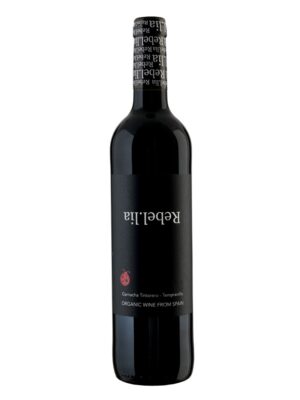
Rebel.lia rebels against the rules, but without breaking them, and is free to express itself as it has behaved that year, always faithful to its philosophy of expressing the vintage.
Andrés Valiente and his son Rodolfo formed Viñedos & Bodegas Vegalfaro in 1999. The name Vegalfaro comes from a combination of the word “vega,” meaning a lowland meadow or stretch of alluvial soil, with the historic name of their winery property, Casa Alfaro.
Bodegas Vegalfaro cultivates 60 hectares (148 acres) of low-yielding vines that fully conform to the strict requirements of Ecological Farming established by the European Union. The winery has never utilized artificial products in its vineyards, so soils are alive with a prolific variety of microfauna. These microscopic organisms are very important for the decomposition of organic material, as well as for the absorption of nutrients through a symbiotic relationship with the vine roots.
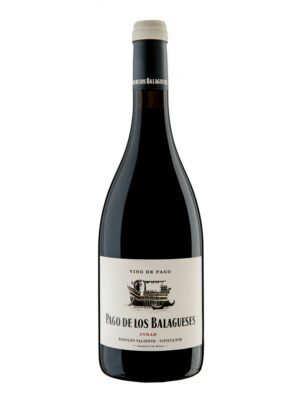
The Pago de Los Balagueses estate is a privileged vineyard site in a solitary location entirely surrounded by forests within the mountainous Parque Natural de las Hoces del Cabriel, an ideal microclimate and soil for vine growing.
Pago de Los Balagueses is Vegalfaro’s top-echelon wine brand, entirely sourced from one of only seventeen wine estates in Spain awarded the DOP Vino de Pago designation to date. Spain’s “vino de pago” system is an appellation structure that was legally created in 2003 by the Spanish government, in coordination with Spain’s winemaking community, to indicate a higher qualification of excellence than DO or even the top-level DOCa. It is comparable to the French-wide Grand Cru system.
Buglioni produces distinctive wines and, alongside the traditional Valpolicella styles, offers more unconventional and pure expressions that reveal the authentic character of the territory and its native varieties.
When Mariano Buglioni created this wine, he had the perfect name in mind. But he soon discovered that the perfect name was already taken, and he would have to settle for another name. Despite this setback, Mariano recognized that the wine was perfect in every other regard, so he chose the name (I’M) Perfetto, for a perfect wine with an imperfect name. This wine is made from 100% estate fruit, which comes from Buglioni’s vineyards in Valpolicella Classico. The vineyards are located at an altitude of about 495ft and consist of dark, clayey soils with a high content of gravel. Grapes are manually harvested, with a portion pressed immediately after harvest, while a small percentage is left in the drying room.
Buglioni produces distinctive wines and, alongside the traditional Valpolicella styles, offers more unconventional and pure expressions that reveal the authentic character of the territory and its native varieties.
As for the French, who first used the term “cru” to identifies a single vineyard with significant unique soil and climate characteristics, this wines is expression of a careful selection of grapes came from a specific portion of vineyard, in San Pietro in Cariano (Verona).
Buglioni produces distinctive wines and, alongside the traditional Valpolicella styles, offers more unconventional and pure expressions that reveal the authentic character of the territory and its native varieties.
Il Bugiardo means “the liar”. This wine gained its name from a critic during a blind tasting. The critic was so impressed, that he thought the Buglionis were lying about what wine he was tasting. This wine is made from 100% estate fruit, which comes from Buglioni’s vineyards in Valpolicella Classico. The vineyards are located at an altitude of about 495ft and consist of dark, clayey soils with a high content of gravel.
Buglioni produces distinctive wines and, alongside the traditional Valpolicella styles, offers more unconventional and pure expressions that reveal the authentic character of the territory and its native varieties.
“Il Lussurioso” gets its name from the long lasting, luxurious, finish it has on the palate. This Amarone is made from 100% estate fruit, which comes from Buglioni’s Vignieto San Pietro in Valpolicella Classico. The vineyard, Sant’Ambrogio is located at an altitude of about 495ft and consists of dark, clayey soils with a high content of gravel. Grapes are manually harvested towards mid-September and are dried until January using the appassimento process.
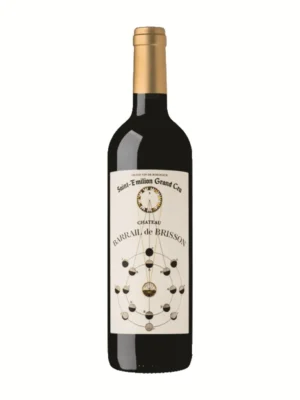
Small family-owned vineyard located in Vignonet, to the South of the Saint-Emilion Appellation and recently converted to organic farming.
Château Barrail de Brisson, from the first organic vintage (2014), showed the typical Saint-Emilion Grand Cru appellation’s characteristics.
Organic wine certified AB (Agriculture Biologique).



 Download Tasting Note