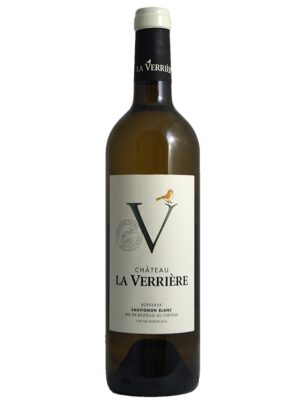
Demanding and passionate, Alain Bessette gave his father’s property the means to produce quality wines. Accessible and worn on the fruit, they tell the revolution undertaken in the vineyard and the cellar.
The white grape varieties of Château La Verriere Sauvignon Blanc are harvested very early in the morning at temperatures allowing the grapes to be vatted to follow a skin maceration of 12 to 18 hours. This maceration will allow an optimum aromatic expression and a balance in the mouth which will guarantee this wine finesse and power over time.
Since 2012, Château La Verriere has embarked on an environmental approach by integrating the certification scope of the SME (Environmental Management System) and HVE (Exploitation of High Environmental Value).
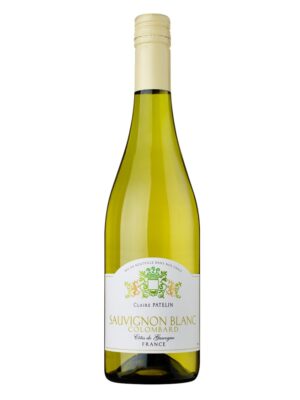
From France, this crisp and zesty blend will take you through a wine experience, having Claire Patelin encapsulated in this bottle a bit of the French way of life.
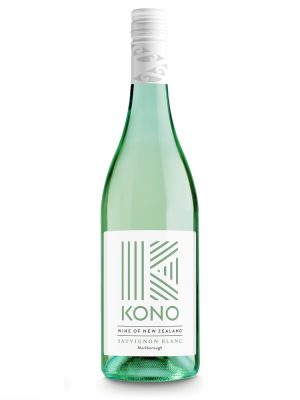
Along the length of North and South Islands, the cool clear waters of the Pacific Ocean carve deep natural coves into the landscape.
Intriguing for its unrivalled tranquillity, this spectacular eastern coastline of New Zealand is also renowned for its exceptional wines.
In these beautiful, but harsh, conditions the vines struggle for survival, producing low yields of high quality fruit with concentrated flavours.
Parcels from the Awatere Valley and Wairau Valley together combine to create a wine brimming with varietal character, balance and elegance.
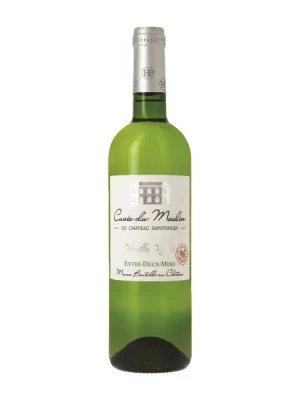
Originally from Schönberg, in the Rhineland, fleeing the consequences of the defeat of Napoleon I, the Yung family origins settled for more than a century in Algeria. Already listed in the first edition of Féret des Vins d’Oranie in 1886, the family developed its vineyard until independence, until forced to abandon the wine estates it had owned since 1859.
In 1862 Charles Young joined his older brother, already settled in Gironde. He then decides to acquire for his 2 children and his 2 nephews, the Château Haut Mondain, a 42-hectare AOC Bordeaux wine estate, followed then by Château Barail, Les Hauts de Palette and Moulin de Tassin.
Since 2020, the Charles Yung & Fils vineyards have been committed to a societal and environmental approach by obtaining High Environmental Value (HVE), level 3 certification.
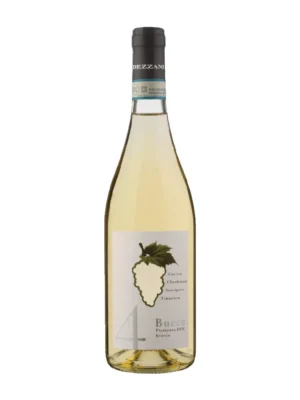
The Dezzani Winery was founded in 1934 in Cocconato, in the province of Asti. The town is located 491 meters above sea level on the renowned Riviera del Monferrato. The history of our wines is closely linked to this territory, to its ideal microclimate for growing unique vineyards, and to its authentic tradition. The historical remains of Romanesque, Gothic, and medieval architecture frame the rows of Barbera, Albarossa, Cabernet, and Syrah, making the landscape even more captivating.
The Piemonte DOC Bianco 4 Bucce is a unique wine crafted from a blend of four grape varieties: Cortese, Chardonnay, Sauvignon, and Timorasso, combining native Piedmontese varieties with international ones. The grapes, harvested at different times in September, are vinified at a controlled temperature. Cortese contributes freshness, Chardonnay brings notes of exotic fruit, while Timorasso and Sauvignon add complexity and minerality to the blend.
In March 2002 the DiGiorgio Family became the proud owners of the second oldest winery in Coonawarra. This winery had been known since the early 1950’s as ‘Rouge Homme’ and holds enormous importance within the ‘winescape’ of Australia.
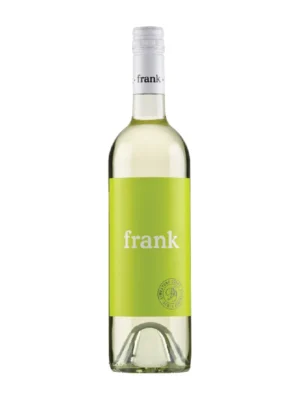
Being frank, this wine is made to be enjoyed with the best of food, family and friends. The finest white varieties of the estate have been blended to create a fresh and aromatic wine, with ripe tropical flavours and a crisp, dry finish.
Frankly, this white is fabulous!
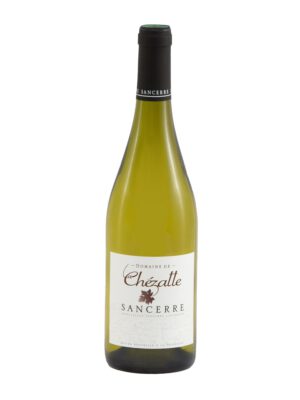
Domaine de la Chézatte is a family owned estate in the most northerly village in Sancerre. Its sustainably farmed vineyards are south-facing with soils of flint and limestone so it’s an ideal spot for growing Sauvignon Blanc.
The white Sancerre represents today 85% of the whole production; 10% of Sancerre red and 5% of Sancerre Rosé. The Domaine de la Chézatte has different terroirs with various soil tyles: silex (60%), White Soils ‘Terres Blanches’ (23%), Caillotte (17%).
For more info, visit Domaine de la Chézatte website.
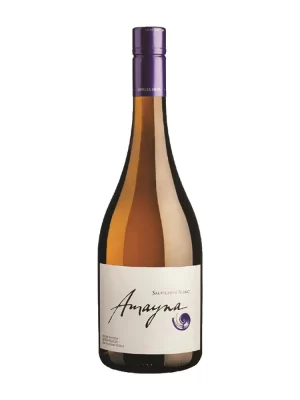
With a long lasting tradition which spans many generations, the Garcés Silva family has developed a deep bond with the land, imprinting a unique quality-seal to each of its different agricultural activities.
With its noble and traditional style, Amayna wines are synonymous with elegance, complexity and concentrated flavors.
Whether consumed today or after years in the cellar, Amayna wines reflect the maximum expression of their terroir and the identity of the Garcés Silva family in the Leyda Valley.
The poor soils and gentle ocean breezes create tremendous aromatic potential and the great intensity reflected in this wine’s floral aromas and fresh, exotic fruit. A full, balanced Sauvignon Blanc with personality and exquisite elegance.
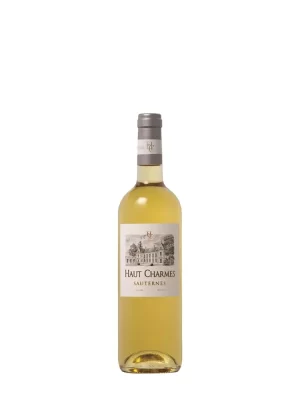
“Haut” (High) because this nectar has a high quality; “Charmes” (Charms) because it is difficult not to fall under the charm of this wines golden this Sauternes. The micro-climate of the Ciron valley has a major role in its elaboration, to confer a very special character to the wine. Indeed, thanks to the climate, the “botrytis cinerea” appears on the grapes and concentrates the sugar while the acidity decreases. The attention brought to the winemaking and the ageing is the reason of the existence of this exceptional wine.
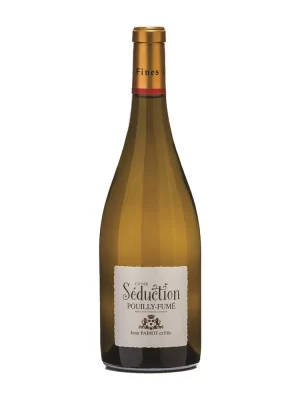
Son and grandson of Jean Pabiot, Alain and Jérôme manage the Domaine des Fines Caillottes within the Pouilly-Fumé appellation. The terroirs, mainly clay limestone, are therefore very varied: white limestone pebbles known as “caillottes”, marl with small fossilized oysters (kimmeridgian) and flint. This diversity of terroirs gives the estate’s wines their aromatic complexity.
The Cuvée Séduction is vinified for one year on the lees, which through prolonged aging and frequent stirring will give the wine a lot of richness, silky and aromatic breadth while preserving the fruity aromas.
Certified TERRA VITIS (for the respect of the environment, Men and wines produced) and HIGH ENVIRONMENTAL VALUE (for the respect of biodiversity and the reduction of the inputs).
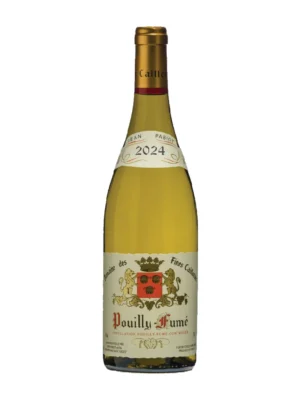
Son and grandson of Jean Pabiot, Alain and Jérôme manage the Domaine des Fines Caillottes within the Pouilly-Fumé appellation. The terroirs, mainly clay limestone, are therefore very varied: white limestone pebbles known as “caillottes”, marl with small fossilized oysters (kimmeridgian) and flint. This diversity of terroirs gives the estate’s wines their aromatic complexity.
The “Domaine des Fines Caillottes” Pouilly-Fumé is the blend of wines from the great diversity of terroirs and vines of various ages from the estate.
Certified TERRA VITIS (for the respect of the environment, Men and wines produced) and HIGH ENVIRONMENTAL VALUE (for the respect of biodiversity and the reduction of the inputs).
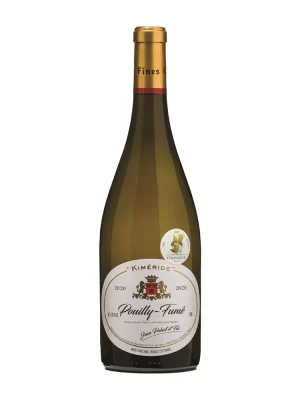
Son and grandson of Jean Pabiot, Alain and Jérôme manage the Domaine des Fines Caillottes within the Pouilly-Fumé appellation. The terroirs, mainly clay limestone, are therefore very varied: white limestone pebbles known as “caillottes”, marl with small fossilized oysters (kimmeridgian) and flint. This diversity of terroirs gives the estate’s wines their aromatic complexity.
“Kiméride” comes from Kimmeridgian, the period of the geological formation of this terroir. This vintage is a selection of plots from this terroir whose limestone stones are dotted with fossils (ammonites, small oysters, etc.). This cuvée is produced only with the best vintages, and exclude grapes from young vines.
Richness, concentration, elegance and intense aromas of ripe fruit characterize this Pouilly-Fumé which expresses the quintessence of Sauvignon.
Certified TERRA VITIS (for the respect of the environment, Men and wines produced) and HIGH ENVIRONMENTAL VALUE (for the respect of biodiversity and the reduction of the inputs).
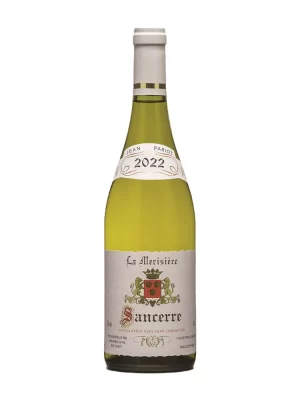
Son and grandson of Jean Pabiot, Alain and Jérôme manage the Domaine des Fines Caillottes within the Pouilly-Fumé appellation. The terroirs, mainly clay limestone, are therefore very varied: white limestone pebbles known as “caillottes”, marl with small fossilized oysters (kimmeridgian) and flint. This diversity of terroirs gives the estate’s wines their aromatic complexity.
The white Sancerre “La Merisière” is produced on clay-limestone soils, sometimes with pebbles and flint.
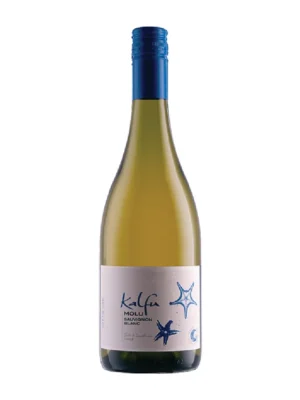
Kalfu means “Blue” in Mapudungun, the language of the aboriginal Mapuche people of the region. It represents the color that provides a myriad of sensations: blue, like the Pacific Ocean’s intense blue; and blue, like the free sky, acting as an accomplice of and witness to the mysterious origins of life.
Molu means West or “where the sun sets”. History tells us that the mapuche saw the stars in the sky over the Pacific Ocean and as the earth was rotating, they would hide in the sea and become starfish. At that time no one knew that the earth was round and turning; back then they believed the stars were falling into the deep darkness of the ocean.
The vineyards from which Kono sources its grapes are spread predominantly throughout the sub-regions of Marlborough.
Each have their own unique micro climate and soil type, each with its own distinct flavour profile.
The difference is the key to blending a truly authentic expression of the region’s terroir.
The gift of knowledge and rich, unspoiled lands have created award winning wines over flowing with personality and purity.
Classic Marlborough harvest conditions with clear days and cool nights prevailed in 2022, with the grapes developing ripe, concentrated fruit flavours without losing the crisp balancing acidity and freshness our wines are renowned for.



 Download Tasting Note