Domaine Dutron has been crafting wine in the picturesque town of Fuissé since 1835, where the family estate spans 16 hectares of Chardonnay vineyards. Passed down through generations, Maxime Dutron now oversees the vineyards, continuing the family’s legacy while embracing sustainable farming.
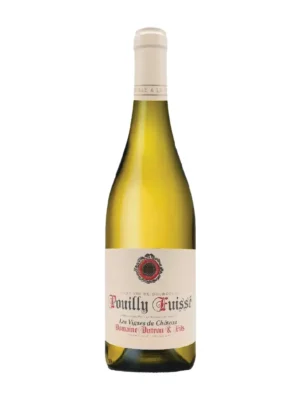
Pouilly-Fuissé ‘Les Vignes du Château’ is a blend of grapes from historic 13th-century plots. The vines, with an average age of 35 years, are planted on clay-limestone Jurassic soils, and bring richness to the wine.
Domaine Dutron has been crafting wine in the picturesque town of Fuissé since 1835, where the family estate spans 16 hectares of Chardonnay vineyards. Passed down through generations, Maxime Dutron now oversees the vineyards, continuing the family’s legacy while embracing sustainable farming.
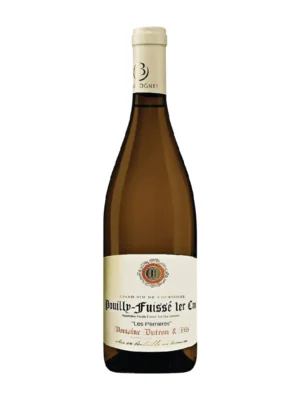
Pouilly-Fuissé 1er Cru ‘Les Perrières’ is made from individually selected vineyard plots. In 2013, Denis and Maxime Dutron decided to honour one of the best climats in Fuissé – Les Perrières – by creating a cuvée in its name, full of opulence and fruit.
Domaine Dutron has been crafting wine in the picturesque town of Fuissé since 1835, where the family estate spans 16 hectares of Chardonnay vineyards. Passed down through generations, Maxime Dutron now oversees the vineyards, continuing the family’s legacy while embracing sustainable farming.
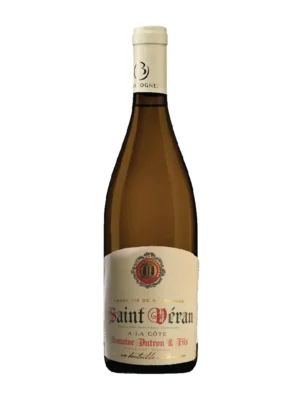
The vines used for Saint-Véran ‘A la Côte’ are among some of the highest-lying in the appellation. At their highest point of 500 metres, they benefit from rich clay-limestone soils and an ideal south-facing exposure, creating a naturally full-bodied, delicious-drinking wine.
Created in 1992, Domaine Pestre covers 15 hectares. A good part of the vineyard is located in the Hautes Côtes de Beaune, then a smaller part in a neighboring villages of the Côte de Beaune such as Pommard, Savigny-les-Beaune, Pernand-Vergelesses, Auxey-Duresses etc…
The estate’s belief is in an organic cultivation using no pesticide, herbicide and insecticide.
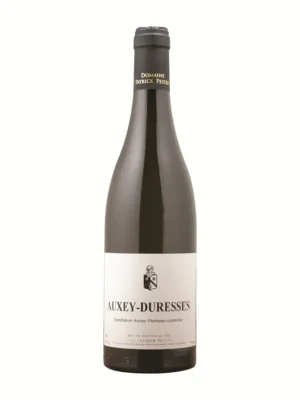
The Auxey Valley is one of the earliest places in Burgundy where grapevines were planted, dating all the way back to the 2nd century BC, and was once a spiritual center for Druid worship. Auxey-Duresses (pronounced “Aussey”) stands at the entrance to a valley between the two flagship communes of Volnay and Meursault. Around 500,000 bottles are produced each year from this little-known Côte de Beaune appellation, whose specific terroirs offer some of the best value for money in Burgundy !
Created in 1992, Domaine Pestre covers 15 hectares. A good part of the vineyard is located in the Hautes Côtes de Beaune, then a smaller part in a neighboring villages of the Côte de Beaune such as Pommard, Savigny-les-Beaune, Pernand-Vergelesses, Auxey-Duresses etc…
The estate’s belief is in an organic cultivation using no pesticide, herbicide and insecticide.
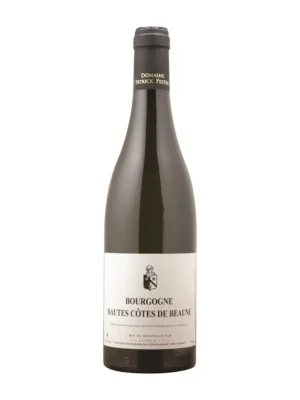
The Hautes Côtes de Beaune region in on higher slopes ranges from 350 to 500m, therefore the vineyards to benefit from the global warming. With cool nights and hot days, the grapes can grow slowly until they reach the perfect balance between acidity and sugar.
The white wines are rich and aromatic.
Created in 1992, Domaine Pestre covers 15 hectares. A good part of the vineyard is located in the Hautes Côtes de Beaune, then a smaller part in a neighboring villages of the Côte de Beaune such as Pommard, Savigny-les-Beaune, Pernand-Vergelesses, Auxey-Duresses etc…
The estate’s belief is in an organic cultivation using no pesticide, herbicide and insecticide.
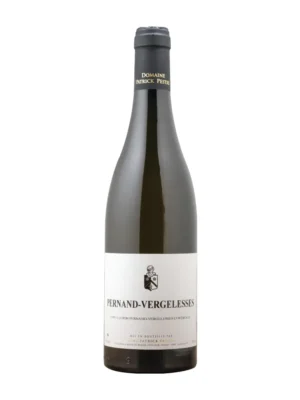
Pernand-Vergelesses is located next to Aloxe-Corton and its Grand Crus, Corton and Corton Charlemagne. The name of the village inspired a proverb « Pernand je bois, verre je laisse » meaning « Pernand I drink, glass I leave ».
The soil here is composed of clay and limestones.
The 2023 vintage was marked by varied climate conditions, with periods of intense heat followed by beneficial rainfall. These fluctuations allowed the grapes to reach excellent maturity while maintaining an appealing freshness. The white wines are rich and aromatic.
Created in 1992, Domaine Pestre covers 15 hectares. A good part of the vineyard is located in the Hautes Côtes de Beaune, then a smaller part in a neighboring villages of the Côte de Beaune such as Pommard, Savigny-les-Beaune, Pernand-Vergelesses, Auxey-Duresses etc…
The estate’s belief is in an organic cultivation using no pesticide, herbicide and insecticide.
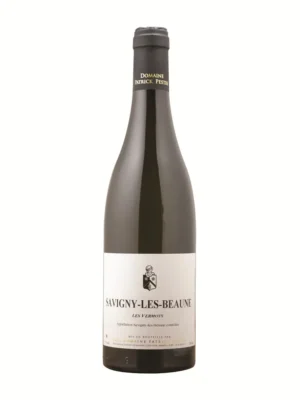
The village of Savigny-les-Beaune is located between Beaune and Corton.
The name Vermots is compose of two elements : «Ver» derived from the latin versus meaning toward and «mots» referring to monts (hills). Indeed above these two plots rises a hillside that is further up covered by the Grand Hâ State forest.
The soil is limestone with good drainage.
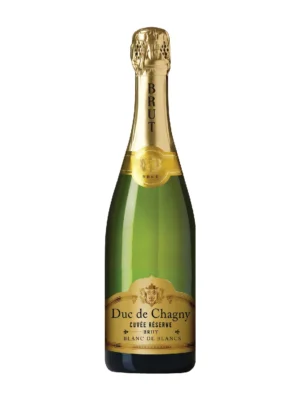
Duc de Chagny Cuvée Réserve Brut Blanc de Blancs is crafted with a focus on quality and finesse. Its elegance, fruitiness, and freshness make it an excellent aperitif.
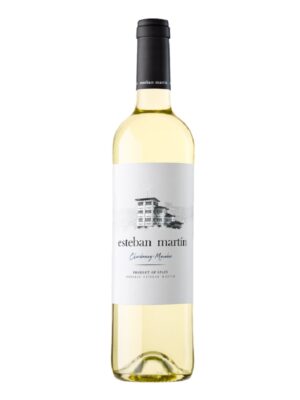
The enterprising Esteban Martín family has always had a very close relationship with the countryside and farming. The family business began in 1964 with the creation of the Granja Virgen del Rosario farm. In addition to the farm, the winery and a transport company also form part of Grupo Esteban Martín, the group fully owned by the Esteban Martín family.
In 1985, Miguel Antonio Esteban decided to buy 150 hectares of vineyards in the best lands of the DOP Cariñena, located at the foot of the Iberian Mountains, in the heart of the Ebro Valley. Year after year he was acquiring new parcels and already in 2003 he decided to build his own winery.
Produced with organic practices and suitable for vegans, this wine reflects Bodegas Esteban Martín’s dedication to quality and respect for nature.
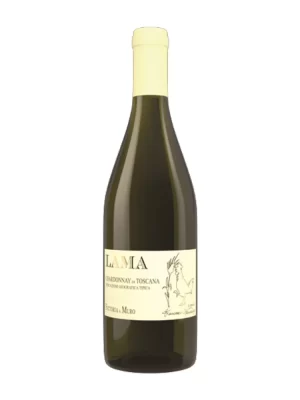
Fattoria Il Muro has been owned by the Pancaro family for about 200 years and has always been dedicated to viticulture, thanks to the favorable environmental conditions. The presence of soils rich in galestro and the climate, characterized by strong temperature variations due to the proximity to the Alpe di Poti, create a micro-environment that enhances the organoleptic qualities and healthiness of the grapes. This allows for the adoption of environmentally friendly cultivation practices. The vineyards and olive groves extend mainly on hilly terrain that gently slopes towards the valley plain of the Castro stream.
The name Lama comes from the name of a close “podere”, in which the family of a farmer used to live during the old times of “mezzadria”. “Mezzadria” was an old way to conduct the farm which envisaged the division of land into small lots (podere) inhabited and cultivated by peasants who paid the estate owners with half the product of their land.
Elegance. Structure. Balance. These are the elements of the extraordinary. You find them in the soaring work of architecture, the perfect line of poetry, the ballerina’s graceful leap, and in the exquisitely crafted Napa Valley wines of First Press Wine Cellars.
First Press Wine Cellars focuses on the two varietals which best exemplify California’s premier winegrowing region, a richly textured Cabernet Sauvignon and a brightly refreshing Chardonnay.
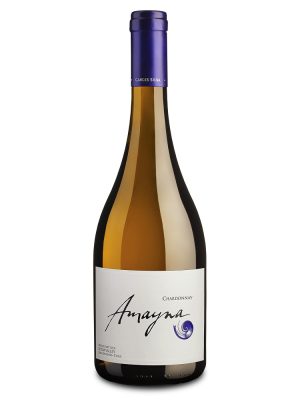
With a long lasting tradition which spans many generations, the Garcés Silva family has developed a deep bond with the land, imprinting a unique quality-seal to each of its different agricultural activities.
With its noble and traditional style, Amayna wines are synonymous with elegance, complexity and concentrated flavors.
Whether consumed today or after years in the cellar, Amayna wines reflect the maximum expression of their terroir and the identity of the Garcés Silva family in the Leyda Valley.
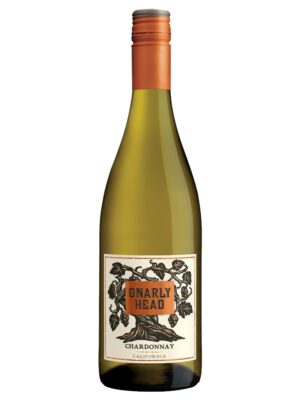
Gnarly Head wines began with a vision and a vine. In 2004, on a mission to make a serious Zinfandel, winemakers journeyed to Lodi in central California in search of the famed old vine Zinfandel vineyards. Grown in the head-trained, spur-pruned method for over a century, these vigorous gnarled vines produced more ripened red fruit than they had ever seen. They took it as a challenge to create the biggest, boldest Zinfandel they had ever made. The result was authentic, structured wines with a hint of something unexpected. Something Gnarly.
Gnarly Head Chardonnay raises the bar for this classic varietal. This juicy Chardonnay is crafted using grapes from specially selected vineyards in Lodi and Monterey. Chardonnay fruit from the Lodi region contributes ripe, rich fruit flavors with a full mouthfeel, while grapes from Monterey add crisp acidity, balanced with vibrant citrus and abundant tropical flavors.
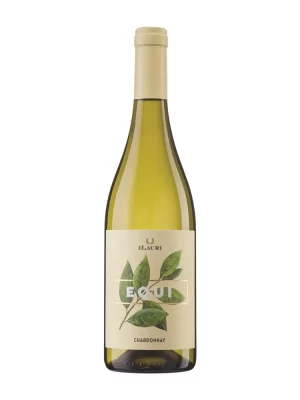
The name “iLauri” stems from the ancient roots of our birth place, Loreto Aprutino, once covered in Laurus nobilis, or laurel trees.
Chardonnay was introduced into the Abruzzi at the end of the nineteenth century and was immediately successful in terms of quality. Today, it is recognized as one of its most popular grape varieties.
Equi is a defense for freedom, a plea for justice and equality after several trademark disputes with industry giants over the name of this wine.
Eco-compatible farming methods. 100% produced with clean and renewable wind-generated energy of sustainability.
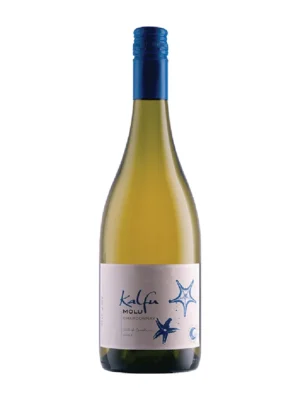
Kalfu means “Blue” in Mapudungun, the language of the aboriginal Mapuche people of the region. It represents the color that provides a myriad of sensations: blue, like the Pacific Ocean’s intense blue; and blue, like the free sky, acting as an accomplice of and witness to the mysterious origins of life.
Molu means West or “where the sun sets”. History tells us that the mapuche saw the stars in the sky over the Pacific Ocean and as the earth was rotating, they would hide in the sea and become starfish. At that time no one knew that the earth was round and turning; back then they believed the stars were falling into the deep darkness of the ocean.



 Download Tasting Note