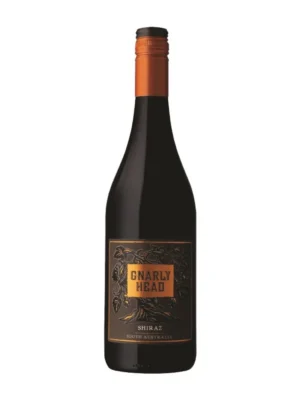

This Shiraz wine introduces a daring departure for Gnarly Head Wines, venturing beyond California to the old and gnarly vineyards of South Australia.
Inspired by the gnarled vines resembling wild bushes with twisted trunks and unruly branches, this Gnarly Head South Australia Shiraz embodies the essence of gnarly. Embark on a journey of boldness and adventure as we push boundaries and embrace the gnarly spirit.
Casa Santos Lima was created to ensure the continuous development of Santos Lima’s wine producing activity created several generations ago. This activity was first started by Joaquim Santos Lima, who, by the turn of 19th century, was already a great producer and exporter of Portuguese wines. Still a family owned company, today is present in the regions of Lisboa, Algarve, Alentejo, Vinho Verde and Douro.
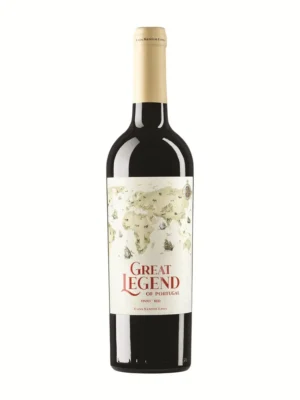
This wine, which commemorates the 500th anniversary of Vasco da Gama, pays tribute to the Portuguese navigator’s historic milestone, connecting with new peoples and cultures from around the world, sharing new knowledge and traditions.
Casa Santos Lima was created to ensure the continuous development of Santos Lima’s wine producing activity created several generations ago. This activity was first started by Joaquim Santos Lima, who, by the turn of 19th century, was already a great producer and exporter of Portuguese wines. Still a family owned company, today is present in the regions of Lisboa, Algarve, Alentejo, Vinho Verde and Douro.
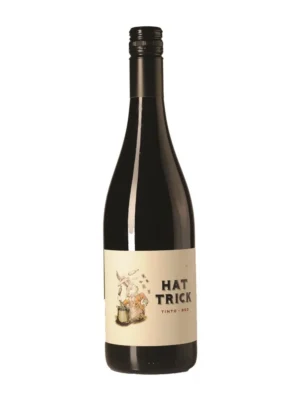
Touriga Nacional, Castelão, Syrah and Cabernet Sauvignon come together in this sumptuous red blend, very much indicative of the region. Lots of black cherry character at play here. Lovely, drawn-out, soft tannins manifest, with plenty of energy and power.
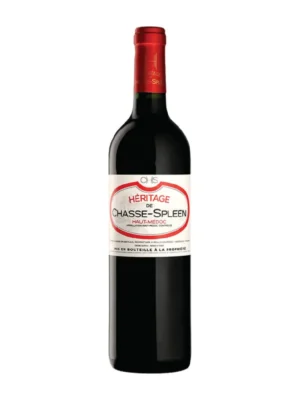
The Héritage de Chasse-Spleen Haut-Médoc is the second wine of the renowned Château Chasse-Spleen.
At first known as Ermitage de Chasse Spleen, this wine had to be given a new name in 2000 because of homonymy reasons. After a birth under the best auspices while inheriting all the care brought to its magnificent senior, this new name seemed very much appropriate.
It is crafted from younger vines and specific parcels within the Haut-Médoc appellation, offering a more accessible version of the estate’s signature style.
For more info, visit Château Chasse-Spleenwebsite.
Finca La Emperatriz is a winery with an extensive vineyard estate in Rioja Alta.
Viñedos Hermanos Hernáiz is the new project of brothers Eduardo and Víctor, who in 1996 acquired Bodega La Emperatriz, named as such because the first owner of these plots was Eugenia de Montijo, wife of Napoleon III and Empress of France. With this new emphasis and with new projects at hand, the winery changed its name but its high-end wines retain the Finca La Emperatriz signature, the name of the ‘viñedo singular’ they come from, which is given to small, old plots with limited but high quality production and which, in summary, must comply with a series of strict standards to prove their quality. The grapes used to make El Jardín de la Emperatriz Tinto come from plots where the soils are mostly composed of white boulders over a sandy-loam structure and where the vines have an average age of 25 years old.
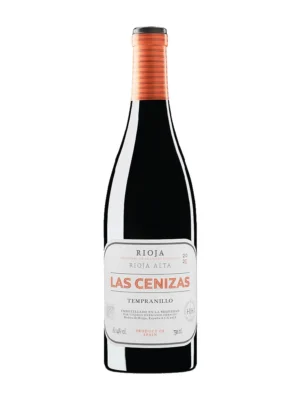
Las Cenizas is the winery’s village wine that takes its name from one of the most important towns in the Rioja DOCa: Cenicero, in the heart of Rioja Alta, – where the Hernáiz brothers – and whose name is believed to be due to the bonfires that the primitive shepherds left as they passed through the area. A historic town known for its vineyards and the quality of its wines.
For more info, visit Finca La Emperatriz / Hermanos Hernáiz website.
The name “iLauri” stems from the ancient roots of our birth place, Loreto Aprutino, once covered in Laurus nobilis, or laurel trees.
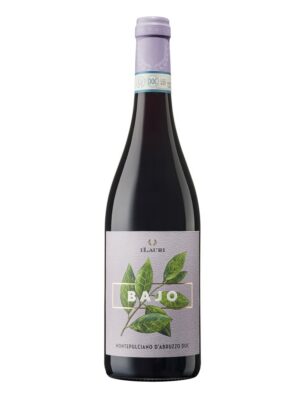
The name Bajo (Bay) given to the town’s most important street comes from the hair color of some horses. Bay is one of the most common coat colors in many horse breeds.
I Lauri conceives this precious Montepulciano with each new harvest; a wine with a name rooted in the territory it belongs to.
Everything began over six generations ago in 1834, with an act of irreverence and audacity from JMF founder. The story of a family with almost two centuries of existence, over 7 generations. Wines over 100 years old, some of the most emblematic in Portugal.
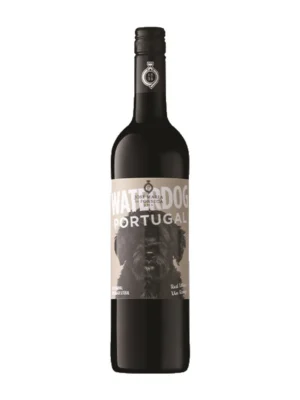
Loving, loyal and intelligent, Portuguese Waterdogs are a treasured breed originally from the southern coast of Portugal – near where the winery originates. Waterdog red wine, a blend of Castelão and Touriga Nacional grape varieties, have a fruity palate with notes of red berries and a touch of wood.
For more info, visit José Maria da Fonsecawebsite.
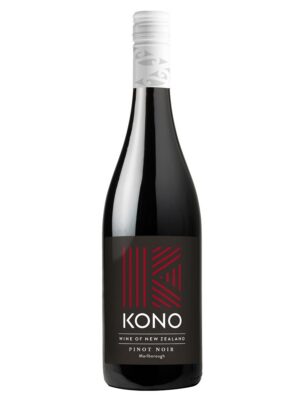
The vineyards from which Kono sources its grapes are spread predominantly throughout the sub-regions of Marlborough.
Each have their own unique micro climate and soil type, each with its own distinct flavour profile.
The difference is the key to blending a truly authentic expression of the region’s terroir.
The gift of knowledge and rich, unspoiled lands have created award winning wines over flowing with personality and purity.
Pinot Noir is a grape that elicits passionate devotion from wine lovers and is one of the most highly prized wines in the world. The grapes for this wine were sourced from our premium Kono vineyards located in both the Marlborough and Nelson regions of the South Island of New Zealand. Kono Pinot Noir is made to consume as a youthful wine – from two to five years from vintage.
The farming co-operative La Guardiense, which is one of the biggest in Italy, was founded in 1960 by 33 farsighted and courageous farmers. Today it counts around 1,000 farmer members and it has been very successful in adapting to the new era and to the many market changes that have occurred over this time, thus becoming a symbol of the technological progress for the entire province of the Sannio region combining as it does experience and modernity.
L’Aglianico Janare is a red wine of the Sannio soft, generous and fruity, excellent value for money. After aging for 6 months in French oak barrels it gives off notes of ripe cherries, red fruit, vanilla and gives a full, soft, warm and enveloping sip.
As a general winemaking philosophy, Cuvée Alexandre Cabernet Sauvignon’s direction is toward elegance, balance and ageing potential. To express the terroir of Apalta is the mission of Casa Lapostolle, using very natural process with minimal intervention.
“The Cabernet Sauvignon from Colchagua has a true identity: intense red fruit and a structure to age many years. Here in Apalta, the fact that the vines are eighty years old and planted in high density gives the wine an extra layer of complexity”. Jacques Begarie, Chief Winemaker.
Made with Organic Grapes and Biodynamic vineyard management.
D’Alamel wines embody the outstanding growing conditions found in Chile, where they are born between the South Pacific ocean and the foothills of the Andes Mountains.
These wines are named in honour of Cyril D’Alamel de Bournet, who co-founded Lapostolle Wine with his wife Alexandra Marnier Lapostolle.
D’Alamel wines are the result of careful soil management, pruning, leaf pulling, and green harvests to ensure the right conditions for healthy vines that deliver their finest fruit year after year.
This D’Alamel Cabernet Sauvignon is perfectly balanced, with youthful and bright characteristics, perfect for any occasion.
D’Alamel wines use ecological bottles that are 14% lighter and made with recycled glass, and the raw ingredients used for the labels, boxes, and corks come from certified sustainable forests.
Valle del Rapel is located in the central part of Chile. It exhibits a semi-arid Mediterranean climate with warm and dry days and pleasantly cool nights during the growing season, as a result of cold breezes coming from the Andes. Rapel has also a cool influence from the Pacific’s Humboldt Current, which lowers temperatures in the coastal areas of the valley. This leads to warm days with ample sunlight and dry conditions, allowing a slow ripening period and maintain its natural acidity that is a characteristic of this elegant Merlot.
The yields in 2021 ended up being generous, and most importantly with grapes that produced wines of excellent quality.
In 2014, Clos Apalta gave birth to its second wine, Le Petit Clos de Clos Apalta, in order to offer a different interpretation of this unique terroir, using the same grapes, but in different proportion, and offering young vines a chance to prove their worth before thay can make it into the Grand Vin.
The 2021 vintage was challenging as it brought a scenario of climatic disruptions and the development of the COVID-19 pandemic. The yields ended up being generous considering the challenges faced, and most importantly with grapes that produced wines of excellent quality.
“Le Petit Clos is a different interpretation of the Clos Apalta Terroir, using the mastery of blending that is the heart of the winemaking philosophy from the Domaines Bournet ”. – Jacques Begarie, Chief Winemaker.
Made with Organic Grapes and Biodynamic vineyard management.
Located in the heart of the Pessac-Léognan appellation and dating back to 1365, Château Smith Haut Lafitte is one of the oldest châteaux in Bordeaux. This magnificent property entered a new era in its history following its acquisition by Daniel and Florence Cathiard in 1990. Driven with passion and ambition by the Cathiards, Château Smith Haut Lafitte has established itself as one of the finest properties in the Graves region, with wines world-renowned for their elegance and style, both red and white.
The Petit Smith Haut Lafitte is is the second wine of Château Smith Haut Lafitte but produced and cared for with the same attention reserved for the château’s first wine. The château uses its own vines, thanks to a mother vine preserved in the nursery on Lalande Island.
For more info, visit Château Smith Haut Lafittewebsite.
The brand Le Preare was created by Cantina Valpolicella Negrar to pay tribute to a history, where previous generations very often paid a very high price, allowing todays generation of vine growers to benefit from the hard work of their forefathers.
Located in the heart of the Valpolicella Classico, this area was also known for its prestigious stones, such as the red marble of Verona. It was widely used by the Venetians when building their villas. However, the use of other local stones, less prestigious then marble, was wide spread. The antique mines where the stone was taken, were called “preare” in local dialect. The local stones were used to separate the vineyards and also to build the terraces, allowing the vines to grow also on steep slopes.
“Appassimento” is made from indigenous red grape varieties. Following a thorough and rigorous blending process, both the appassimento and traditional methods are fused together in the production of this fine red wine.