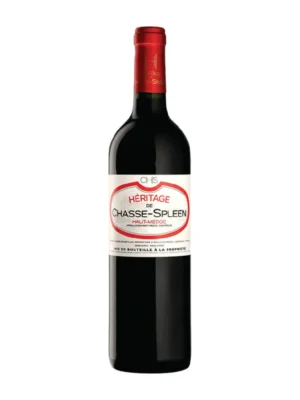
The Héritage de Chasse-Spleen Haut-Médoc is the second wine of the renowned Château Chasse-Spleen.
At first known as Ermitage de Chasse Spleen, this wine had to be given a new name in 2000 because of homonymy reasons. After a birth under the best auspices while inheriting all the care brought to its magnificent senior, this new name seemed very much appropriate.
It is crafted from younger vines and specific parcels within the Haut-Médoc appellation, offering a more accessible version of the estate’s signature style.
For more info, visit Château Chasse-Spleenwebsite.
Finca La Emperatriz is a winery with an extensive vineyard estate in Rioja Alta.
Viñedos Hermanos Hernáiz is the new project of brothers Eduardo and Víctor, who in 1996 acquired Bodega La Emperatriz, named as such because the first owner of these plots was Eugenia de Montijo, wife of Napoleon III and Empress of France. With this new emphasis and with new projects at hand, the winery changed its name but its high-end wines retain the Finca La Emperatriz signature, the name of the ‘viñedo singular’ they come from, which is given to small, old plots with limited but high quality production and which, in summary, must comply with a series of strict standards to prove their quality. The grapes used to make El Jardín de la Emperatriz Tinto come from plots where the soils are mostly composed of white boulders over a sandy-loam structure and where the vines have an average age of 25 years old.
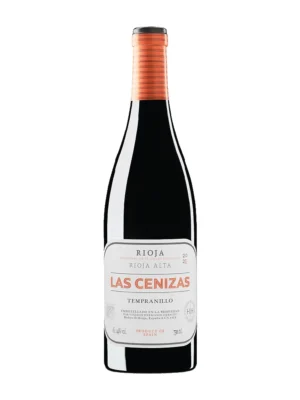
Las Cenizas is the winery’s village wine that takes its name from one of the most important towns in the Rioja DOCa: Cenicero, in the heart of Rioja Alta, – where the Hernáiz brothers – and whose name is believed to be due to the bonfires that the primitive shepherds left as they passed through the area. A historic town known for its vineyards and the quality of its wines.
For more info, visit Finca La Emperatriz / Hermanos Hernáiz website.
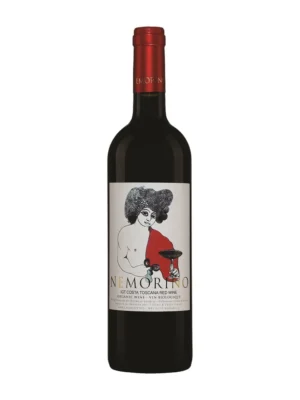
L’Elisir D’Amore is an Italian 19th century opera buffa by Gaetano Donizetti. It tells the story of the charlatan pharmacist Dulcamara whose “love filter”, in truth a bottle of Bordeaux, helps Nemorino conquer the heart of the beautiful Adina despite Belcore’s interference. A complex tale of ploys and passion, with the sweet tones of love and the bitter taste of jealousy – it offers a representation of wine as a powerful love filter that is fitting with the charming wisely-balanced intensity of I Giusti & Zanza wines.
The Red Nemorino’s composition varies slightly from vintage to vintage. It is primarily composed of Syrah (about 60%), with additions of Merlot and Sangiovese, as well as small shares of Alicante, according to the vintage.
The agricultural conduction is organic and biodynamic in the vineyards.
The name “iLauri” stems from the ancient roots of our birth place, Loreto Aprutino, once covered in Laurus nobilis, or laurel trees.
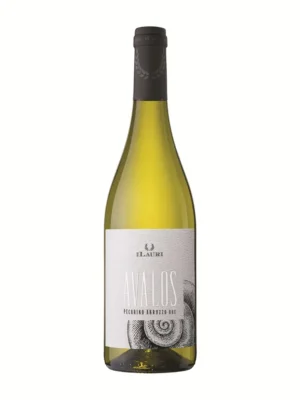
The Spanish influence in Italy and European Baroque culture during the 16th century cannot be denied. The Abruzzo region, as most of Southern Italy had intense ties from a political, cultural, religious, economic and social point of view. The Avalos family moved to Italy and developed centers of cultural excellence that rivaled the Medici family. Pecorino, a white grape once thought lost to the world is a must-try for those that believe Trebbiano is the only white wine in the Abruzzi. A sumptuous full-bodied white that flows with compelling flavors of white pulp, apricots and lychees.
Eco-compatible farming methods. 100% produced with clean and renewable wind-generated energy of sustainability.
The name “iLauri” stems from the ancient roots of our birth place, Loreto Aprutino, once covered in Laurus nobilis, or laurel trees.
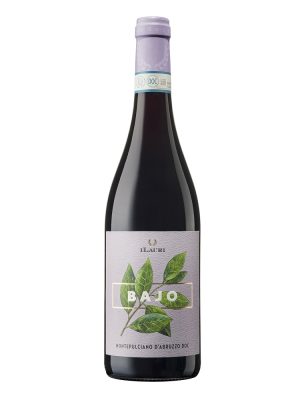
The name Bajo (Bay) given to the town’s most important street comes from the hair color of some horses. Bay is one of the most common coat colors in many horse breeds.
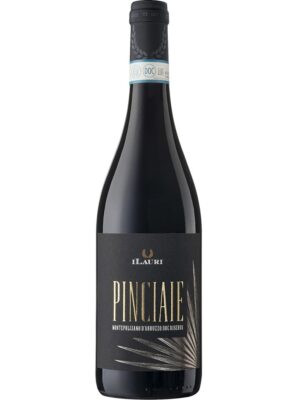
I Lauri conceives this precious Montepulciano with each new harvest; a wine with a name rooted in the territory it belongs to.
The name “iLauri” stems from the ancient roots of our birth place, Loreto Aprutino, once covered in Laurus nobilis, or laurel trees.
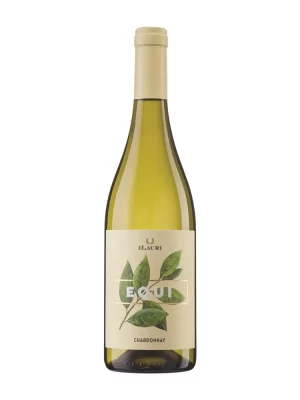
Chardonnay was introduced into the Abruzzi at the end of the nineteenth century and was immediately successful in terms of quality. Today, it is recognized as one of its most popular grape varieties.
Equi is a defense for freedom, a plea for justice and equality after several trademark disputes with industry giants over the name of this wine.
Eco-compatible farming methods. 100% produced with clean and renewable wind-generated energy of sustainability.
The name “iLauri” stems from the ancient roots of our birth place, Loreto Aprutino, once covered in Laurus nobilis, or laurel trees.
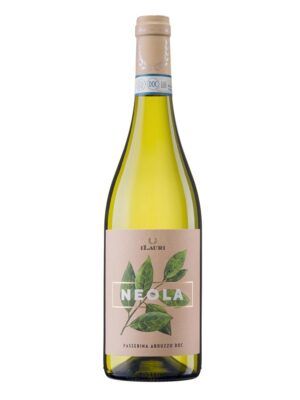
The origins of this ancient variety are unknown, yet its presence is documented in Central Italy. The name “Passerina” stems from the Italian word for sparrow “Passero”, in reference to the bird’s appetite for the ripe grapes of this variety. Today, it is one of Abruzzo’s most promising varietals. Neola, or “the Young One” is I Lauri’s latest addition.
Eco-compatible farming methods. 100% produced with clean and renewable wind-generated energy of sustainability.
The name “iLauri” stems from the ancient roots of our birth place, Loreto Aprutino, once covered in Laurus nobilis, or laurel trees.
The name of this wine stems from the ancient form of construction typical in pastoral communities of Abruzzo.
The vineyard extends for 4 hectares at an altitude of 300 meters above sea level and is vinified separately in outstanding vintages in order to maintain its exceptional characteristics.
Eco-compatible farming methods. 100% produced with clean and renewable wind-generated energy of sustainability.
The name “iLauri” stems from the ancient roots of our birth place, Loreto Aprutino, once covered in Laurus nobilis, or laurel trees.
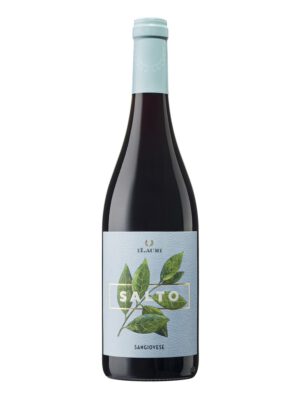
Select vineyards on the Southern coast of Abruzzo with stony and calcareous soil are carefully managed to produce this classic wine. Following its temperature controlled vinification in stainless steel, the wine is aged for three months in large Slovenian oak barrels and ends its cycle with a short bottle rest. This vibrant red from Abruzzo displays a violet color and an intense bouquet of ripe red fruit, finely framed with spices.
Eco-compatible farming methods. 100% produced with clean and renewable wind-generated energy of sustainability.
The name “iLauri” stems from the ancient roots of our birth place, Loreto Aprutino, once covered in Laurus nobilis, or laurel trees.
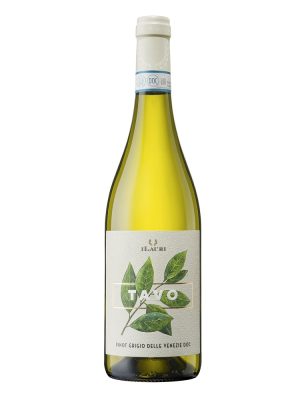
The celebrated Pinot Grigio varietal has been known since the Middle Ages in the Burgundy region and derives from a bud mutation of Pinot Noir. In partnership with they winemaker, the I Lauri’s team supervise an exquisite parcel in the Northeastern region of Veneto, while the name stems from one of our area’s most important rivers, born at almost 2.000 meters at the foot of the Gran Sasso.
Eco-compatible farming methods. 100% produced with clean and renewable wind-generated energy of sustainability.
The name “iLauri” stems from the ancient roots of our birth place, Loreto Aprutino, once covered in Laurus nobilis, or laurel trees.
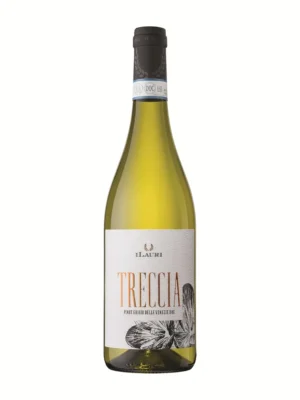
15 years of laborious trial and error with Italy’s most successful single varietal has created this extraordinary single-vineyard Pinot Grigio. A fantastic expression of Pinot Grigio – an enological superstar!
Eco-compatible farming methods. 100% produced with clean and renewable wind-generated energy of sustainability.
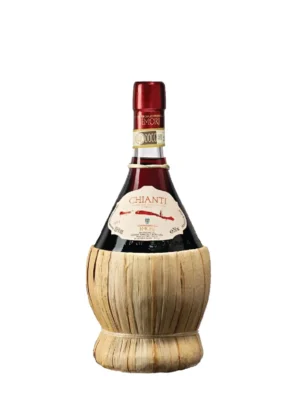
In the early 1970s, when farmers were still leaving the countryside to flock to the city, the Giannelli family began renewing the crops of the small I Mori farm, which has gradually expanded since then.
This Chianti in a typical “fiasco” straw bottle is produced in the I Mori vineyards that extend across the Florentine hills, at an altitude of 250 meters above sea level.
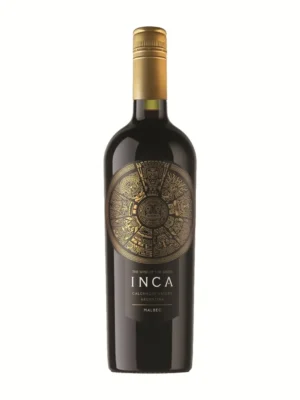
For many years, the isolated mountain valleys of Northern Argentina were home to the Incas. Today the valleys are home to the highest vineyards in
the world, lying at an altitude of 2000 metres above sea level. Here the crystal clear skies, pure mountain air, and a long cool growing season provide perfect conditions for the production of quality grapes.
This Malbec is vinified in a modern style with cooler temperatures, in order to keep the delicate fruity character of the Malbec grape.
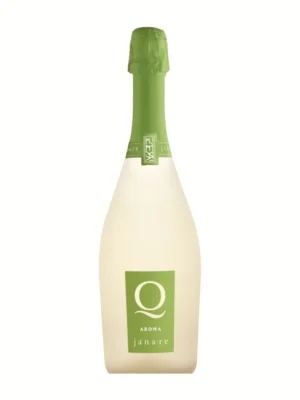
Q sparkling wines are born in an area where the inhabitants have carefully preserved and enhanced the precious surrounding lands. The Sannio valley floor is a vast, open garden where the landscape and agricultural vocation have been jealously protected. Here, in the heart of the valley, on fertile, deep, cool, and well-drained soils, Janare produces the grapes for these sparkling wines, which owe their freshness and elegance to these soil characteristics.
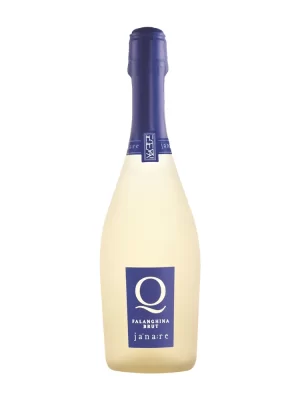
Q sparkling wines are born in an area where the inhabitants have carefully preserved and enhanced the precious surrounding lands. The Sannio valley floor is a vast, open garden where the landscape and agricultural vocation have been jealously protected. Here, in the heart of the valley, on fertile, deep, cool, and well-drained soils, Janare produces the grapes for these sparkling wines, which owe their freshness and elegance to these soil characteristics.


 Download Tasting Note