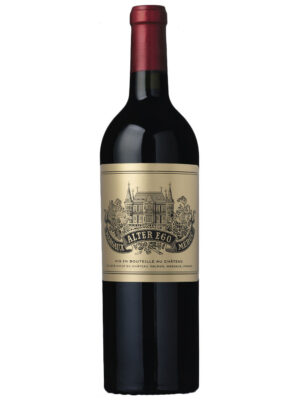
Complex and velvety, with silky tannins and a delicious taste, this is how the “Alter Ego”, fascinating Rouge of Château Palmer presents itself.
This Margaux AOC is born from a blend of Merlot, Cabernet Sauvignon and Petit Verdot, grown according to certified biodynamic methods. With a pleasant gustatory balance and marvelous fruity aromas, “Alter Ego” is a refined and complex wine of great depth, a lively expression of the different parcels and of the natural and genuine flavors of the grapes.
The Merlots give rise to wines full of power, exuberance, and body. The Cabernets developed a certain coolness and reserve, leading to wines of rare distinction. It is this uncommon coupling that has seen 2019 enter the exclusive club of truly exceptional vintages.
Château du Tertre takes its name from the superb group of graves, culminating point of the Margaux appellation, on which is erected the castle. This millennial property of 52 hectares (of which 18 are grown biodynamic) enjoys worldwide renown thanks to the prestigiousGrand Cru Classé de Margaux title it has had since 1855.
The arrival of Eric Albada-Jelgersma, the current owner, in 1997 will profoundly mark the field. A restructuring program and heavy investments have restored its reputation to Château du Tertre. This program has resulted in upgrading technical equipment, reducing yields and setting up a new team. Under the direction of Alexander Van Beek ,Eric Boissenot for winemaking, the vineyard has significantly increased the quality of these wines, giving Château du Tertre its character and nobility, where silky and freshness are combined to bring you the elegance expected of a great Margaux wine.
Château du Tertre takes its name from the superb group of graves, culminating point of the Margaux appellation, on which is erected the castle. This millennial property of 52 hectares (of which 18 are grown biodynamic) enjoys worldwide renown thanks to the prestigiousGrand Cru Classé de Margaux title it has had since 1855.
The arrival of Eric Albada-Jelgersma, the current owner, in 1997 will profoundly mark the field. A restructuring program and heavy investments have restored its reputation to Château du Tertre. This program has resulted in upgrading technical equipment, reducing yields and setting up a new team. Under the direction of Alexander Van Beek ,Eric Boissenot for winemaking, the vineyard has significantly increased the quality of these wines, giving Château du Tertre its character and nobility, where silky and freshness are combined to bring you the elegance expected of a great Margaux wine.
Château du Tertre takes its name from the superb group of graves, culminating point of the Margaux appellation, on which is erected the castle. This millennial property of 52 hectares (of which 18 are grown biodynamic) enjoys worldwide renown thanks to the prestigiousGrand Cru Classé de Margaux title it has had since 1855.
The arrival of Eric Albada-Jelgersma, the current owner, in 1997 will profoundly mark the field. A restructuring program and heavy investments have restored its reputation to Château du Tertre. This program has resulted in upgrading technical equipment, reducing yields and setting up a new team. Under the direction of Alexander Van Beek ,Eric Boissenot for winemaking, the vineyard has significantly increased the quality of these wines, giving Château du Tertre its character and nobility, where silky and freshness are combined to bring you the elegance expected of a great Margaux wine.
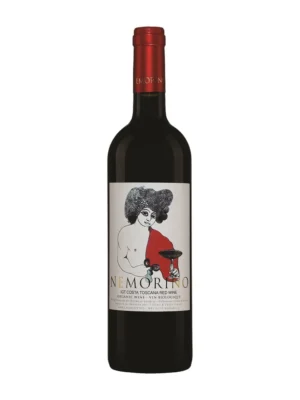
L’Elisir D’Amore is an Italian 19th century opera buffa by Gaetano Donizetti. It tells the story of the charlatan pharmacist Dulcamara whose “love filter”, in truth a bottle of Bordeaux, helps Nemorino conquer the heart of the beautiful Adina despite Belcore’s interference. A complex tale of ploys and passion, with the sweet tones of love and the bitter taste of jealousy – it offers a representation of wine as a powerful love filter that is fitting with the charming wisely-balanced intensity of I Giusti & Zanza wines.
The Red Nemorino’s composition varies slightly from vintage to vintage. It is primarily composed of Syrah (about 60%), with additions of Merlot and Sangiovese, as well as small shares of Alicante, according to the vintage.
The agricultural conduction is organic and biodynamic in the vineyards.
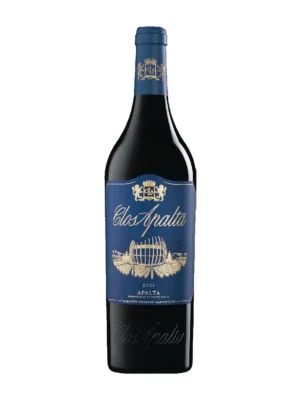
Clos Apalta is born in 1997 as the iconic wine of the Domaines Bournet-Lapostolle in Chile under the idea to magnify the exceptional terroir of Apalta with French expertise. Shaping the vineyard foot by foot, building a state-of-the-art gravity fed winery, the family succeeded in making Clos Apalta one of the most iconic wines in South America.
This year we had a generous production, healthy, of excellent flavor, with relatively moderate alcohol levels and more freshness. It will be remembered as one of the greatest cold vintages of the 21st century in Chile.
“It was a wonderful harvest … 2018 was everything that you could wish for to make wines that are fully ripe but have a lot of elegance and freshness. A treat from Mother Nature”. – Andrea Leon, Chief Winemaker.
Made with Organic Grapes and Biodynamic vineyard management.
As a general winemaking philosophy, Cuvée Alexandre Cabernet Sauvignon’s direction is toward elegance, balance and ageing potential. To express the terroir of Apalta is the mission of Casa Lapostolle, using very natural process with minimal intervention.
“The Cabernet Sauvignon from Colchagua has a true identity: intense red fruit and a structure to age many years. Here in Apalta, the fact that the vines are eighty years old and planted in high density gives the wine an extra layer of complexity”. Jacques Begarie, Chief Winemaker.
Made with Organic Grapes and Biodynamic vineyard management.
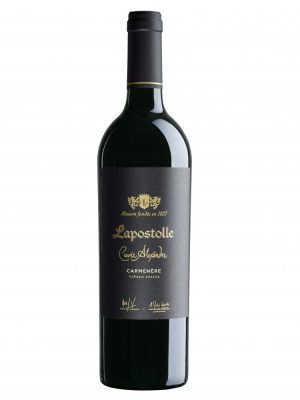
As a general winemaking philosophy, Cuvée Alexandre Carménère’s direction is toward elegance, balance and ageing potential. To express the terroir of Apalta is the mission of Casa Lapostolle, using very natural process with minimal intervention.
“It’s been great to have the opportunity to see the grapes of Carménère from La Isla block growing: seeing them each year showing more balance and depth in the wine is a gift from Nature”. – Jacques Begarie, Chief Winemaker.
Made with Organic Grapes and Biodynamic vineyard management.
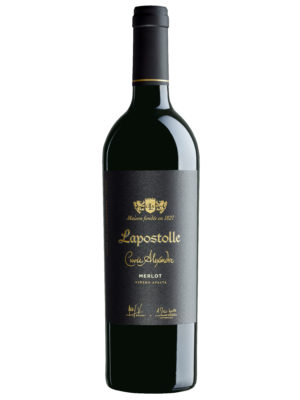
As a general winemaking philosophy, Cuvée Alexandre Merlot’s direction is toward elegance, balance and ageing potential. To express the terroir of Apalta is the mission of Casa Lapostolle, using very natural process with minimal intervention.
“It all started with our Cuvée Alexandre Merlot back in 1994: a wine that had showed its consistency for more than a decade.” – Jacques Begarie, Chief Winemaker.
Made with Organic Grapes and Biodynamic vineyard management.
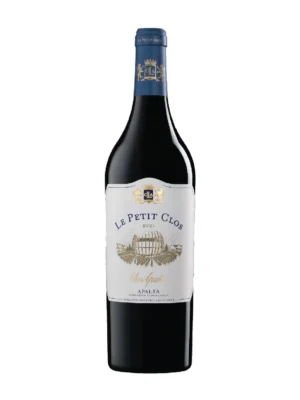
In 2014, Clos Apalta gave birth to its second wine, Le Petit Clos de Clos Apalta, in order to offer a different interpretation of this unique terroir, using the same grapes, but in different proportion, and offering young vines a chance to prove their worth before thay can make it into the Grand Vin.
The 2020 vintage was a challenging one due to climatic disruptions and the COVID-19 pandemic. However, the dry conditions resulted in excellent sanitary conditions for the fruit. The harvest began 10 days earlier than usual and was carried out with sector-by-sector, block-by-block harvesting due to uneven maturity. Quality control and selective harvesting led to reasonable yields of excellent quality. This season has delivered elevated levels of most compounds of the grape must: sugars, tannins, and an unexpectedly impressive acidity. The COVID-19 pandemic added to the challenge. Despite the hurdle, the team’s unfaltering commitment resulted in a successful harvest.
“Le Petit Clos is a different interpretation of the Clos Apalta Terroir, using the mastery of blending that is the heart of the winemaking philosophy from the Domaines Bournet ”. – Jacques Begarie, Chief Winemaker.
Made with Organic Grapes and Biodynamic vineyard management.
The story began with Michel Chapoutier, a unique man with a thirst for knowledge, definitely one of a kind. He seeks to discover and reflect the full potential of his terroirs and let the soils express their true character.
This now forms the basis of the M. CHAPOUTIER ethos to reveal the very best of what the soils have to offer.
Fac&Spera (“Do and Hope”) is the motto of Maison Chapoutier and the philosophy applied to the best plot selections of these wines. There, the winegrower lets the terroir express itself without hindrance in order to obtain with exactitude the conjunction of the soil, the climate and the know-how resulting from the tradition. It is the photograph of a grape variety in a vintage on a given terroir. These are exceptional, rare wines created from our oldest vines. Here, biodynamics takes on its full meaning.
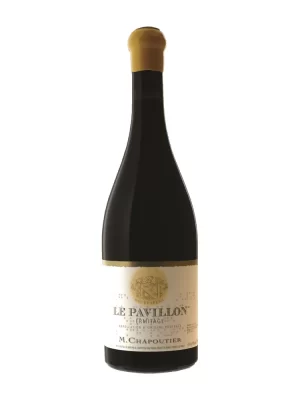
Ermitage Rouge “Le Pavillon” Chapoutier is an icon of the Hermitage hill, in the Rhone. The Syrah vines that give life to this wine have an average age of 65 years and rest on granite soils, which sublimate the characteristics of the vine.
Certified biodynamic and organic wine and controlled by Ecocert.
The story began with Michel Chapoutier, a unique man with a thirst for knowledge, definitely one of a kind. He seeks to discover and reflect the full potential of his terroirs and let the soils express their true character.
This now forms the basis of the M. CHAPOUTIER ethos to reveal the very best of what the soils have to offer.
Fac&Spera (“Do and Hope”) is the motto of Maison Chapoutier and the philosophy applied to the best plot selections of these wines. There, the winegrower lets the terroir express itself without hindrance in order to obtain with exactitude the conjunction of the soil, the climate and the know-how resulting from the tradition. It is the photograph of a grape variety in a vintage on a given terroir. These are exceptional, rare wines created from our oldest vines. Here, biodynamics takes on its full meaning.
Certified biodynamic and organic wine and controlled by Ecocert.
The story began with Michel Chapoutier, a unique man with a thirst for knowledge, definitely one of a kind. He seeks to discover and reflect the full potential of his terroirs and let the soils express their true character.
This now forms the basis of the M. CHAPOUTIER ethos to reveal the very best of what the soils have to offer.
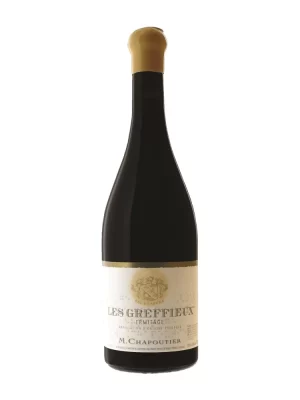
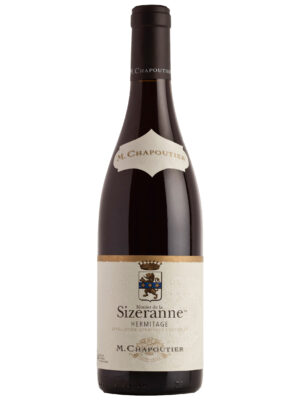
Monier de la Sizeranne is a blend of different Hermitage terroirs, sedimentary soils (alluvium, loess, pudding) and granite soils with varying degrees of decomposition and sectors of Bessards, Méal and Greffieux.
Certified biodynamic and organic wine and controlled by Ecocert.
To produce top quality wines from domaine-grown fruit, which are complex but elegant and understated, which are the perfect accompaniments for food, and which represent outstanding value and quality. Ronald Brown, a practitioner of biodynamic culture in France since 1993, worked for 8 years with the late Francois Beuchet. Ronald has imported both the technology and practical philosophy to Australia from Europe, making Maverick one of the leading edge biodynamic vineyards and wineries in the New World.
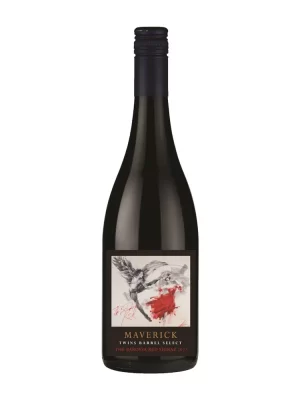
Shiraz and Barossa still epitomise the best of Australian wine for many wine lovers around the world. This Shiraz comes from the very top terroirs in the Twin Shiraz vineyards – at Ahrens’ Creek and Barossa Ridge in Vine Vale in the warm dry Barossa Valley. This remarkable “twinning” results in a voluptuous yet elegant wines, expressed also in the label painted by Sidney-based artist Charles Billich.
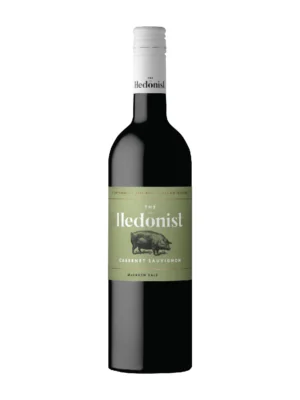
The fruit for the Hedonist Cabernet Sauvignon is grown biodynamically on the estate vineyard situated in the Willunga foothills, McLaren Vale. Warm Summer days are cooled by evening sea breezes from St Vincentís Gulf, which lies a close proximity to the West. The soil is rich loam over clay with patches of underlying limestone, giving the wine a rich and fullness of pallet.
The 2021 ripening season was met with average rainfall for the first time in at least 3 vintages. Not only did McLaren Vale experience a wet winter, but also a luscious spring and a significantly cooler summer. This created magnificent ripening conditions from fruit set and flowering through version to final ripening.