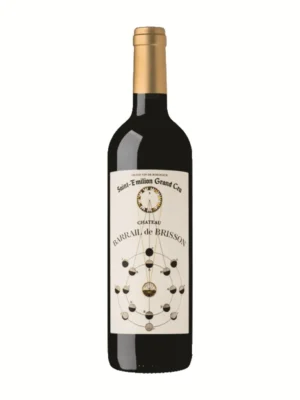
Small family-owned vineyard located in Vignonet, to the South of the Saint-Emilion Appellation and recently converted to organic farming.
Château Barrail de Brisson, from the first organic vintage (2014), showed the typical Saint-Emilion Grand Cru appellation’s characteristics.
Organic wine certified AB (Agriculture Biologique).
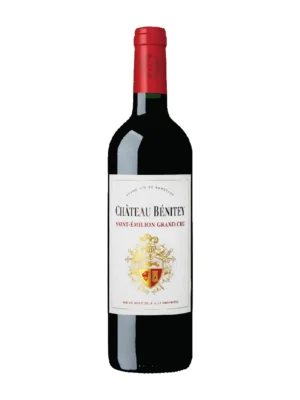
Château Bénitey is located at the foot of the coast, east of Saint-Emilion, in the town of Saint-Laurent des Combes. It takes its name from a cross at the junction of the road above the vineyard, a cross reminiscent of that of a holy water font.
The area is 5 ha with vines whose average age is 40 years and the wine is usually composed mainly of 70% Merlot, aged for 10 months in French oak barrels (20 to 40% new).
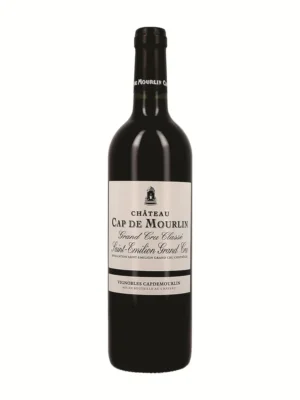
Located on Bordeaux’s Right Bank, Château Cap de Mourlin, a Saint-Émilion Grand Cru Classé, represents the perfect harmony between tradition and innovation. Nestled on an exceptional terroir, it benefits from a unique clay-limestone soil and a favorable climate, which give its winespower, elegance, and authenticity. For centuries, this family-owned estate has been a symbol of winemaking excellence, offering vintages with intense aromas of black fruits and spices, complemented by a fresh, mentholated finish. A true gem to be discovered by all Grand Cru enthusiasts.
The 2011 Château Cap de Mourlin reveals a vintage of finesse and balance, with delicate aromas of ripe fruit, undergrowth, and spice. Its harmonious structure and well-integrated tannins make it an elegant wine to enjoy now.
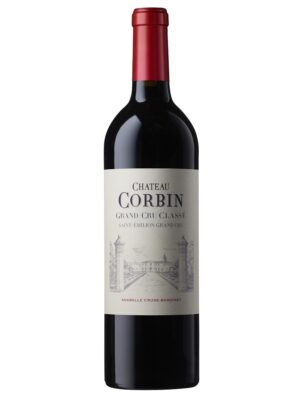
Château Corbin is one of the oldest estates in St. Emilion. In fact, it dates back to the 15th century. More recently, bringing Chateau Corbin into the modern era, in 1924, Château Corbin was purchased by the Great Grandparents of the current owners, the Cruse family. The beautiful chateau was constructed in the 1800s. During the late 1990s, Anabelle Cruse and her sisters purchased the shares of Château Corbin from the other family shareholders and took over complete ownership of the estate.
In each and every vintage, the wines of Château Corbin are the fruit of true luxury craftsmanship. Carefully tended vines, a meticulous selection of the grape bunches and slow barrel ageing are prerequisites in the Corbin method to ensure longevity in its wines. Each vintage is a journey of its own, in which the senses travel to and fro between elegance and complexity.
This 2019 vintage of Château Corbin heralds a revival of the Corbin style, with great elegance, a perfect balance between well-ripened red fruits, fine tannins and great length in the mouth. A bottle that will age in your cellar for those who know how to wait.
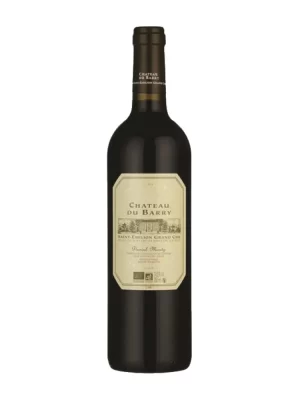
It was in 1923, at the Château du Barry , that the history of the Mouty vineyards began.
Donat Mouty , enamored of the culture of Saint-Émilion wines, then set his sights on the vines of Château du Barry.
Here, on this great terroir of character, the vines produce a unique fruit with delicacy.
From this fruit are born silky, fleshy, complex and elegant wines.
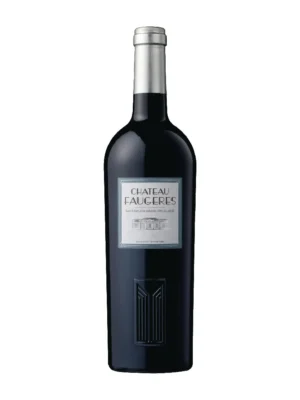
Château Faugèresis known for wines that demonstrate a stylistic evolution focused on finesse. This trend was put in place at the property by Silvio Denz, a Swiss-German businessman passionate about wine and owner of several vineyards in the Bordeaux region.
A Grand Cru Classé Saint-Émilion, Château Faugères extends over a vineyard of 37 ha located on one of the most beautiful terroirs of the Right Bank, the famous limestone plateau of Saint-Emilion. In order to better respect the environment and to enhance the richness of the soil, the vineyard is cultivated according to a sustainable natural viticulture.
2017 was a vintage of many challenges and an early harvest. Fortunately, Château Faugères was one of the properties spared by frost. The quality of the fruit was preserved throughout the vegetative cycle. An exceptional wine, the Château Faugères 2017 is the second vintage of the estate’s Grand Vin adorned with a Lalique “Calice” engraving.
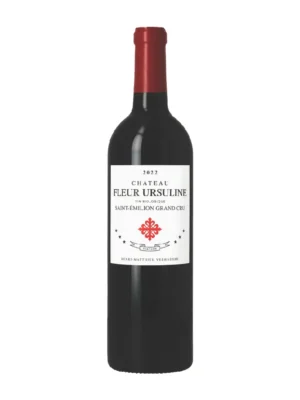
The wines of the Château Fleur Ursuline have their roots in the terroir of Saint-Émilion. This internationally renowned bastion of taste is a village with rich historical heritage, surrounded by a hillside and natural ecosystem which Matthieu and Karine Verhaeghe fervently protect. By choosing to cultivate naturally since 2001, they are looking to the future, with respect for the land and the plains surrounding them at heart. They are pioneers of biological fermentation, working in harmony with lunar cycles to create their wines for a unique and natural tasting experience.
The old vines of this former convent, planted with high density, make you discover the finesse and charm of this Saint-Émilion Grand Cru Organic.
For more info, visit Château Fleur Ursuline website.
Organic wine certified AB (Agriculture Biologique).
“Fons Brogiera: a spring surrounded by heather”. This was the first mention of the name Fombrauge which, for 6 centuries now, has epitomised the elegance of the Grand Cru Classé wines of Saint Emilion. From the Canolle family in the 15th century to Bernard Magrez today, six families have succeeded each other in owning and running Château Fombrauge, providing the estate, which harvested its first grapes in 1599, with a rare stability and a pioneering spirit beyond compare.
To ensure the full expression of the estate’s rich terroir, Bernard Magrez, the owner since 1999, today combines ancestral savoir-faire with precision viticulture. The result is a sublime wine, the epitome of a Saint-Emilion Grand Cru Classé.
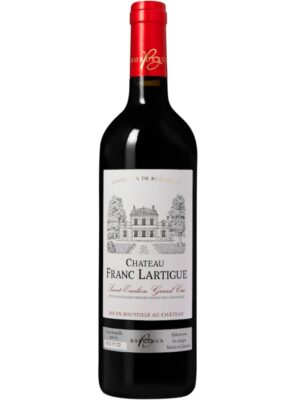
The SCEA des Vignobles Marcel Petit was created in 1986 by Mr. Marcel Petit with the acquisition of Château Pillebois from the Castillon Côtes-de-Bordeaux appellation.
In 1988, the vineyard grew with Châteaux Franc Lartigue and Grande Rouchonne, located in the Saint-Emilion appellation. It was that same year that the Vignobles Marcel Petit joined the Vignerons Indépendants de France.
In 1997, Mr. Marcel Petit retired, thus entrusting the vineyards to his daughter Elisabeth and his son-in-law Jean-Pierre Toxé.
The vineyard then reached 22 hectares of vines, divided between Saint-Emilion and Castillon.
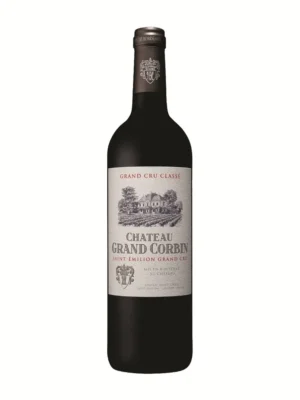
On a map dating from 1811 there are five castles, not far from each other, all bearing the name of Corbin.
Today, the Grand Corbin vineyard extends in one piece over 37 ha of which 28.5 ha are Grand Crus Classés of Saint Emilion.
Thanks to the expertise and know-how of an experienced team, the latest vintages confirm the progress made both in the vineyard and in the cellar. Wines with silky and suave tannins, with a nose marked by truffles, a discreet woodiness and a few touches of mocha. Freshness, elegance, shine are the other characteristics. The blue clays give these wines structure, density and ensure real aging potential.
For more info, visit Château Grand Corbin website.
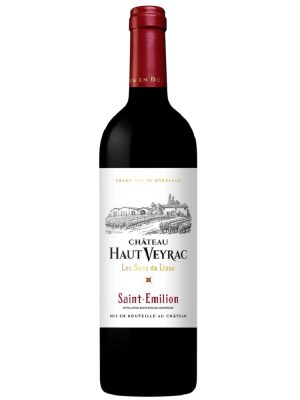
The Château Haut-Veyrac property, owned by the Castaing family, is located on one of the hills overlooking the village of Saint-Émilion in Saint-Étienne de Lisse. The vineyard now extends over an exceptional terroir of 9 hectares in one piece. The clay-limestone soil makes it possible to cultivate the Merlot Noir and Cabernet Franc grape varieties in the best conditions.
Family property, on the north-west slope, 1 km from the village of Saint-Émilion, based on traditional cultivation with absence of weedkillers, limited yields, manual harvesting, traditional aging in oak barrels/foudres and amphoras.
This Saint-Émilion Grand Cru is the fruit of the work of the land and the grapes harvested by women and men in symbiosis with nature.
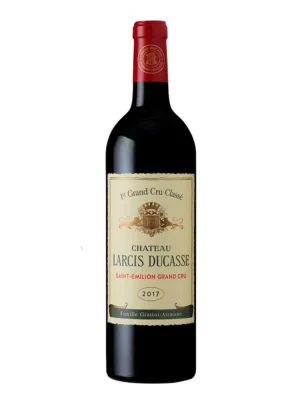
The Château Larcis Ducasse has existed since the 17th century. Preservation, terroir expression and vine care are the watchwords of this estate, elevated to the rank of Premier Grand Cru Classé of Saint-Émilion in 2012 thanks to the work of Nicolas Thienpont, after he took the reins of the domaine in 2002.
Chateau Larcis Ducasse 2017 reveals a velvety, sensual and fleshy mouthfeel, which envelops the palate in a succession of different sensations.
For more info, visit Château Larcis Ducasse website.
The Château Les Moines belongs to the estate Château la Grâce Dieu which in the Middle Ages was a Cistercian prioress called «A LA Grâce De Dieu».
The vineyard of Château Les Moines is situated on the western hillside of the city (estate) of Saint Emilion, located just 2 km from the famous village of Saint Emilion.
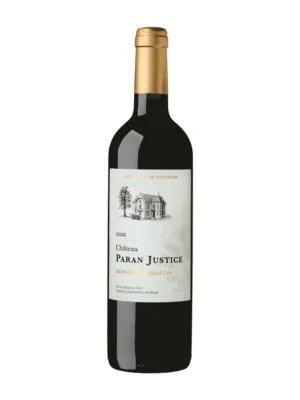
Château Paran Justice is situated in Saint Etienne de Lisse, at the bottom of the slopes down to Château de Pressac, taking its name from the unification of two neighboring producers, Château Paran and Château Justice, dating from the 1900s.
The owner, Mr Boutros-Toni, has decided a few years ago to farm his vineyard in an environment friendly way.
Organic wine certified AB (Agriculture Biologique).



 Download Tasting Note