The story began with Michel Chapoutier, a unique man with a thirst for knowledge, definitely one of a kind. He seeks to discover and reflect the full potential of his terroirs and let the soils express their true character.
This now forms the basis of the M. CHAPOUTIER ethos to reveal the very best of what the soils have to offer.
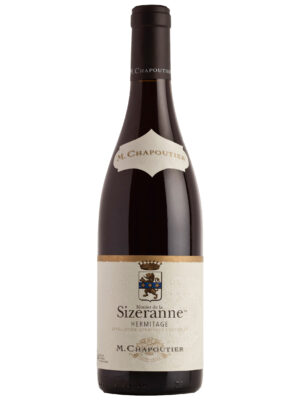
Monier de la Sizeranne is a blend of different Hermitage terroirs, sedimentary soils (alluvium, loess, pudding) and granite soils with varying degrees of decomposition and sectors of Bessards, Méal and Greffieux.
Certified biodynamic and organic wine and controlled by Ecocert.
The story began with Michel Chapoutier, a unique man with a thirst for knowledge, definitely one of a kind. He seeks to discover and reflect the full potential of his terroirs and let the soils express their true character.
This now forms the basis of the M. CHAPOUTIER ethos to reveal the very best of what the soils have to offer.
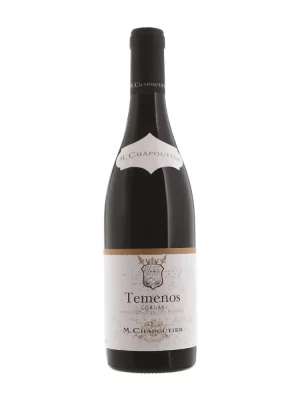
M. Chapoutier Temenos Cornas is a highly acclaimed wine that’s gaining popularity among wine enthusiasts worldwide. The vines comes from decomposed granite, locally called “gore”. Specifically from the appellation areas of: Les Reynards (south-facing granite hillsides providing maturity and minerality), Mazard (east-facing hillside providing flesh and volume) and Saint-Pierre (high-altitude terroir providing freshness and complexity).
M. Chapoutier Temenos is a wine that’s meant to be savored on special occasions or paired with hearty meals.
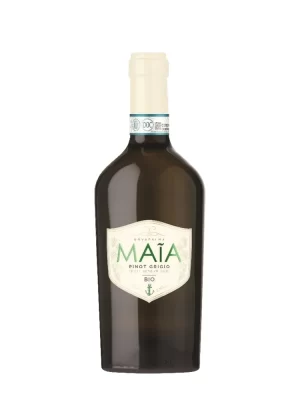
The name Maia comes from an ancient tradition. Maia is in fact one of the seven sisters stars that together form the constellation of the Pleiades. Since ancient times guided sailors and farmers of Lake Garda in navigation and harvesting.
With wines which reflect elegance, with an enduring attention to quality, style and terroir, reflecting the alluvial soils of the DOC Delle Venezie, creating high quality organically certified wines from two or Italy’s most famous regions.
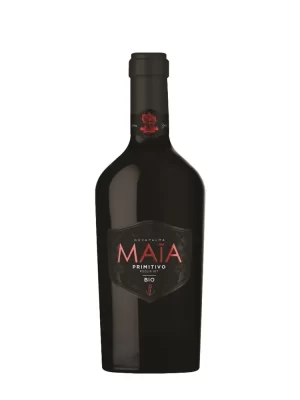
The name Maia comes from an ancient tradition. Maia is in fact one of the seven sisters stars that together form the constellation of the Pleiades. Since ancient times guided sailors and farmers of Lake Garda in navigation and harvesting.
Refined and light, the Primitivo of Maia is fused between dark toned patterns with a distinctive character and design, to then evolve into pure, light tones with a delicate character.
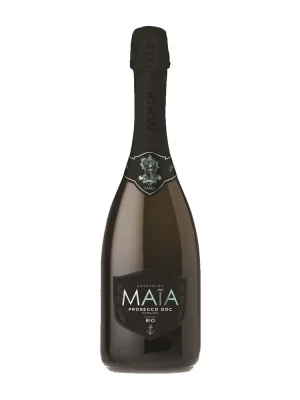
The name Maia comes from an ancient tradition. Maia is in fact one of the seven sisters stars that together form the constellation of the Pleiades. Since ancient times guided sailors and farmers of Lake Garda in navigation and harvesting.
The Maia sparkling wine range is enriched with the new Prosecco Extra Dry Doc Bio, an authentic expression of the Italian winemaking tradition.
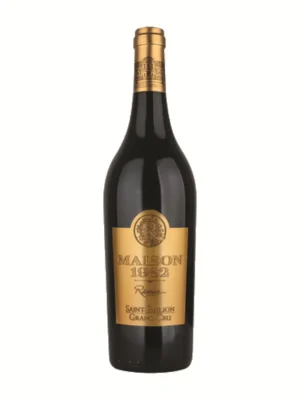
The Teycheney family has been cultivating vineyards since 1837, when the first generation settled in the heart of Entre-Deux-Mers, on the family’s historic estate. They are perhaps most widely known for Cheteau Fleur de La Lisse from Saint Emilion.
Since 2015, the 6th generation, Caroline Teycheney, has been in charge of the vineyards, which now cover 62 hectares in Entre-Deux-Mers and 32 hectares in Saint-Émilion Grand Cru. The vineyard from which the Maison 1982 Réserve is produced is located on the edge of the medieval village of Saint-Émilion, at the foot of the clay and limestone hill. It has been cultivated with passion using organic and biodynamic methods since 2016, with the utmost respect for man and nature. The best Merlot plots are meticulously worked and blended to produce the estate’s finest cuvées.
Organic wine certified AB (Agriculture Biologique).
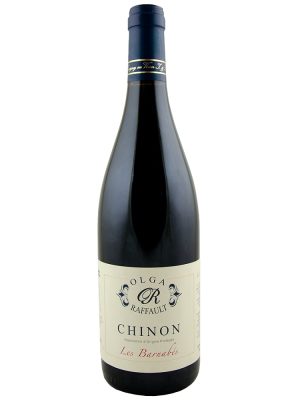
In the beautiful country of Véron, cradled between the Loire and the Vienne, the Olga Raffault estate has been transmitting its know-how in the production of its Chinon wines for five generations. Olga Raffault has devoted her whole life to these landscapes that she loved so much and has always been able to share her love of wine.
Les Barnabés are shaped by the alluvium of the Loire and the gravel of the Vienne in the town of Savigny-en-Véron. This cuvée blooms from its earliest youth between 14 and 16°C and can be enjoyed with white and roast meats.
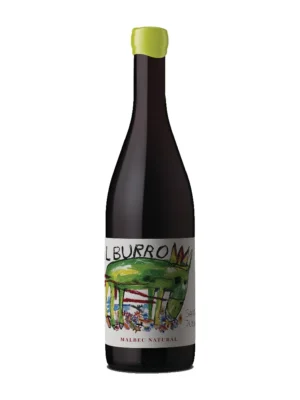
Santa Julia natural wines are those wines with minimal human intervention throughout the whole process, from vineyard to winemaking. No sulphites are added and natural types of yeast are used in winemaking. The wine is bottled with no filtration.
All these wines, coming from organic certified vineyards, embrace the philosophy of Santa Julia and respect our supporting pillars regarding environmental care, innovation in the production of high-quality wines, and the concern for the community where we live.
The Donkey was an animal that Miguel, the owner’s brother, used to play with when they were kids. The winemakers had already prepared a natural wine to launch to the market. And it all happened very organically. Emiliano Pierro, the artist, exhibited in the art cellar and one of his paintings was a donkey. The family fell in love with Emiliano’s style and they decided that the wine had to tell that story.
Santa Julia natural wines are those wines with minimal human intervention throughout the whole process, from vineyard to winemaking. No sulphites are added and natural types of yeast are used in winemaking. The wine is bottled with no filtration.
All these wines, coming from organic certified vineyards, embrace the philosophy of Santa Julia and respect our supporting pillars regarding environmental care, innovation in the production of high-quality wines, and the concern for the community where we live.
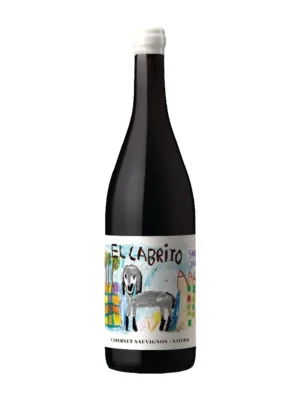
Panchito was the birthday gift for the owner’s niece Isabel. The children in the family love having animals and Pancho arrived to steal everyone’s heart. This kid goat quickly became part of the farm along with the sheep, Olivia The Little Cow, and The Donkey. Panchito is like a child and follows his caretaker Julio everywhere.
Santa Julia natural wines are those wines with minimal human intervention throughout the whole process, from vineyard to winemaking. No sulphites are added and natural types of yeast are used in winemaking. The wine is bottled with no filtration.
All these wines, coming from organic certified vineyards, embrace the philosophy of Santa Julia and respect our supporting pillars regarding environmental care, innovation in the production of high-quality wines, and the concern for the community where we live.
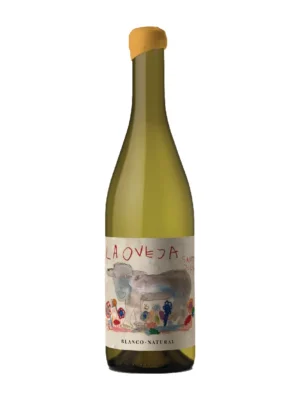
This wine was inspired by a baby sheep that the owner’s children raised during the pandemic on the Maipú farm, they named her Juanita and today she lives with the rest of the animals on the farm.
Santa Julia natural wines are those wines with minimal human intervention throughout the whole process, from vineyard to winemaking. No sulphites are added and natural types of yeast are used in winemaking. The wine is bottled with no filtration.
All these wines, coming from organic certified vineyards, embrace the philosophy of Santa Julia and respect our supporting pillars regarding environmental care, innovation in the production of high-quality wines, and the concern for the community where we live.
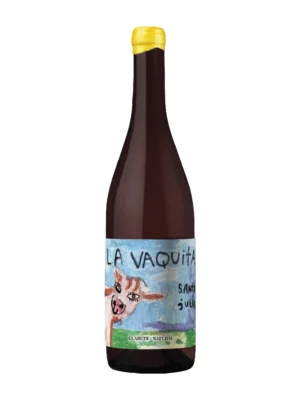
La Vaquita is a clarete inspired by Olivia, a calf gifted to the owner’s niece Helena for her birthday. It is a wine crafted under the clarete method, arising from the fermentation of red and white grapes, the latter in smaller proportion. Composed of 80% Malbec and 20% Torrontés, it is a wine with a light color and a strong aromatic impact reminiscent of red fruits, with floral notes characteristic of Torrontés.
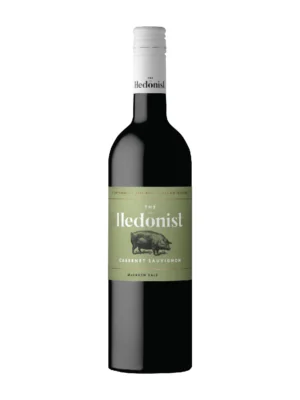
The fruit for the Hedonist Cabernet Sauvignon is grown biodynamically on the estate vineyard situated in the Willunga foothills, McLaren Vale. Warm Summer days are cooled by evening sea breezes from St Vincentís Gulf, which lies a close proximity to the West. The soil is rich loam over clay with patches of underlying limestone, giving the wine a rich and fullness of pallet.
A civilised vintage created a relaxed picking environment and enabled an ideal balance of sugar ripeness, natural acidity and texture in the resulting wines.
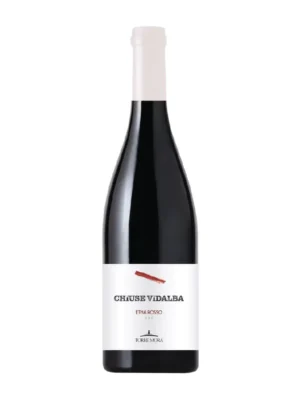
Torre Mora is a small estate dedicated to organic and sustainable viticulture, the use of traditional methods, the authenticity of native grape varieties, and the culture of the territory. The estate’s two vineyards are located in Contrada Dafara Galluzzo in Rovittello and Contrada Alboretto Chiuse del Signore, within the Municipality of Linguaglossa.
Torre Mora’s philosophy embraces the principle of “one grape variety – one territory”: a perfect combination that serves as a source of inspiration for crafting wines that, with every sip, tell the story of grapes grown on the slopes of an active volcano.
The main grape variety is Nerello Mascalese, followed by Nerello Cappuccio.
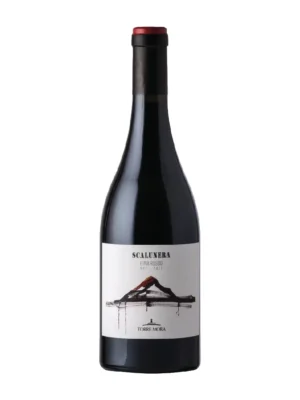
Torre Mora is a small estate dedicated to organic and sustainable viticulture, the use of traditional methods, the authenticity of native grape varieties, and the culture of the territory. The estate’s two vineyards are located in Contrada Dafara Galluzzo in Rovittello and Contrada Alboretto Chiuse del Signore, within the Municipality of Linguaglossa.
Torre Mora’s philosophy embraces the principle of “one grape variety – one territory”: a perfect combination that serves as a source of inspiration for crafting wines that, with every sip, tell the story of grapes grown on the slopes of an active volcano.
The main grape variety is Nerello Mascalese, followed by Nerello Cappuccio.




 Download Tasting Note